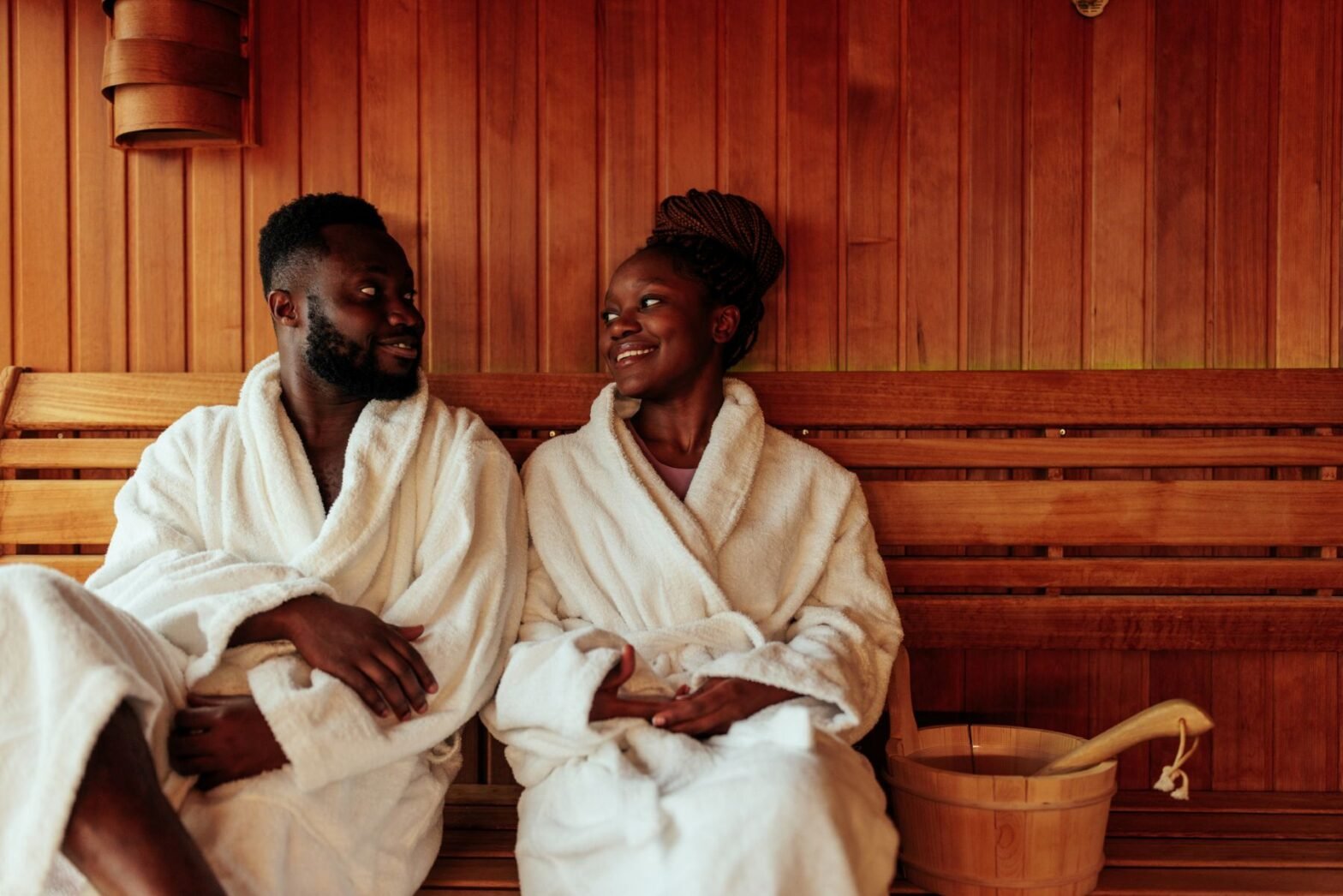
The British Sauna Society counted 45 public saunas across the United Kingdom in 2023, a figure that had climbed to 147 by early 2025, Fast Company noted. Many of the new sites now operate on beaches, in woodlands, and alongside city docks, with a 2025 roundup by SaunaPod Co. documenting the spread of timed sessions built around shared benches instead of private spa treatments. That growth reflects a broader shift in wellness travel, moving beyond tightly scheduled retreats and treatment-heavy stays.
The sector reached $894 billion in 2024, according to Global Wellness Institute (GWI) data, but the bigger shift is in what travelers now count as wellness in the first place. In its 2026 Future of Wellness report, the Global Wellness Summit describes a growing pushback against years of tracking, testing, and optimizing health, pointing instead to experiences such as social saunas, low-stimulation retreats, and food centered on pleasure and connection. Hilton’s 2026 travel research reflects the same change in priorities, with 56% of respondents naming rest and recharging as their top reason for leisure travel.
Social Saunas And Hot Springs Are Making Wellness More Communal
Heat rituals appear among the GWI Wellness Tourism Initiative’s 10 wellness travel trends for 2026, with sauna sessions increasingly built around guided ceremonies, music, scent, and shared etiquette. The initiative encourages destinations to present public bathing as an accessible “third space,” not a luxury add-on. In Finland, UNESCO recognizes sauna culture as intangible cultural heritage. The country also has more than three million saunas for a population of about 5.5 million, a figure included in the SaunaPod Co. industry roundup.
The Global Wellness Summit places sauna events alongside sober morning dance parties and multi-day resort programs under a 2026 trend it calls the “festivalization of wellness.” Examples span Ibiza and Mexico, London, Seoul, and Singapore. Beth McGroarty, vice president of research and forecasting at GWI, linked the rise of social wellness to the years following pandemic lockdowns.
“The pandemic revealed social connection as the missing cornerstone of health,” she told BeautyMatter.
The same publication cited organizers of London’s Wellnergy Festival, who said participation has doubled each year since its launch. Major music festivals including Glastonbury, Coachella, and Electric Forest have also added wellness programming to their schedules. Thermal and mineral springs followed a similar trajectory. GWI data puts the increase in spending at 11.1% between 2023 and 2024, when the sector finally passed its pre-pandemic level after one of the slowest recoveries in the wellness economy.
Walking Trips And Food Traditions Connect Travelers To Place
The Camino de Santiago set its third consecutive record in 2025, when the Pilgrim’s Reception Office in Santiago de Compostela issued 530,987 Compostela certificates. Pilgrimaps describes the network of routes as a destination for “cultural walking, outdoor travel, and personal journeying,” and notes that many pilgrims cite cultural, recreational, and personal motivations alongside or instead of religious ones. The GWI Wellness Tourism Initiative reports that walkable environments, outdoor recreation, and thermal bathing traditions are becoming “part of destination strategy rather than simply hotel amenities.”
When UNESCO added Italian cooking to its Representative List of the Intangible Cultural Heritage of Humanity on December 10, 2025, it described the practice as “a communal activity” centered on food, ingredients, and shared time around the table. The listing also presents cooking as a way of connecting with family and community at home, in schools, and through festivals, ceremonies, and social gatherings. Hilton’s 2026 Trends Report found that 77% of travelers enjoy exploring local grocery stores “to try authentic local food and drink offerings,” a habit the company calls grocery store tourism.
Sleep Retreats, Sound Baths, And Quiet Escapes Put Rest Back At The Center
Breathwork, slow movement, mindfulness, sound therapy and time in nature feature prominently in the GWI Wellness Tourism Initiative’s 2026 trends. These retreat programs aim to help guests move out of a constant fight-or-flight state. In a separate trend focused on deep rest, the initiative highlights destinations using dark skies, low noise, and programming timed to dawn and dusk to reset circadian rhythms. One example is Kamalaya’s sleep-enhancement program in Koh Samui, Thailand.
Interest in restorative travel also appears in Hilton’s 2026 data. Among American respondents, 67% expressed interest in nature immersion retreats, 60% in spiritual retreats, and 56% in meditation or silent retreats. Across Hilton’s global sample, 48% of travelers plan to add solo time before or after family vacations. Among business travelers, 27% actively seek time alone during work trips, and 19% choose sleep over socializing with colleagues. Short flights, drivable routes, and regional retreats are also becoming part of this shift. GWI calls this pattern cocooning wellness, and points to countryside retreats, coastal sanctuaries, and nearby nature escapes among the formats travelers choose.