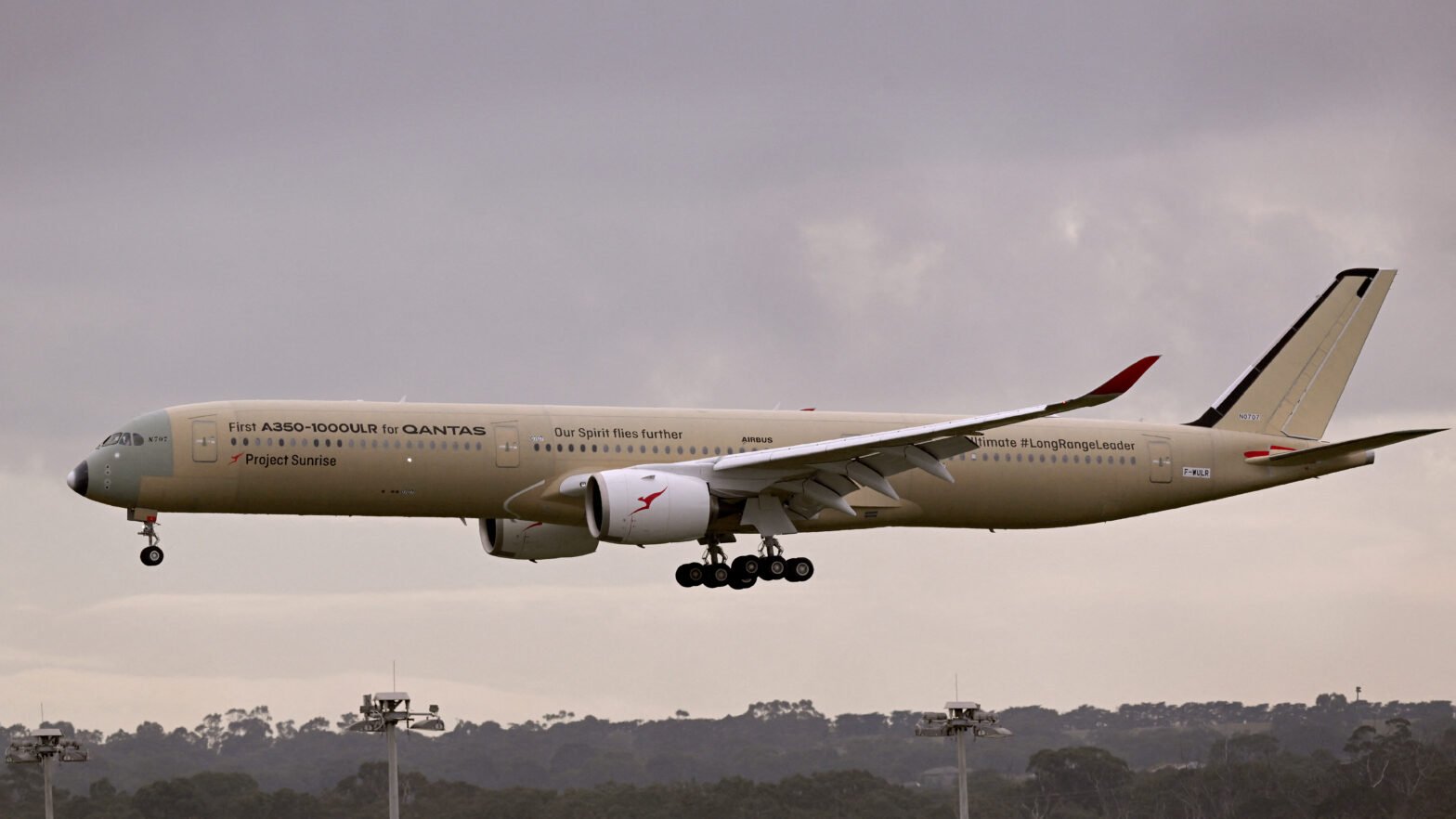
A cruise passenger who steps off a ship in Barcelona for a few hours of sightseeing could end up paying €30 ($34) a day in tourist tax. Under plans initially approved by Barcelona’s city council, the municipal surcharge for cruise passengers who spend less than 12 hours in the city will rise progressively from €5 ($6) to €24 ($27) by 2030, according to Catalan News. That will sit on top of Catalonia’s regional charge, bringing the combined tax to that figure. The increase is expected to begin in 2027, and Barcelona estimates the higher surcharge could bring in an additional €23.7 million ($27 million) in 2031 if cruise passenger numbers remain stable, Ara reported.
For travelers, the fee offers a useful signal about the pressures shaping a destination. Local governments increasingly reveal those pressures through tax codes, rental rules, and entry calendars, giving visitors a clearer picture of conditions on the ground before they book. Catalan News quoted Barcelona Deputy Mayor for Economy Jordi Valls as defending the increase, saying the city “has reached the limit of its tourism capacity.” He argued that the tourism sector needs to take greater responsibility for municipal finances. The Cruise Lines International Association, meanwhile, described the increase as “disproportionate” in comments carried by ANSA, while also saying it shared the goal of managing tourism in a sustainable and balanced way.
How To Read Resident Protests Before Booking A Trip
Protests against overtourism continued through summer 2026, with Mallorca among the most visible flashpoints. On July 26, tens of thousands of people marched through Palma calling for fewer visitors and protesting the effects of tourism on housing, public services, culture, and daily life. EFE cited a National Police estimate of 25,000 attendees, while organizers put the figure at 70,000. The demonstration was organized by Menys Turisme, Més Vida, a platform backed by 145 organizations.
Housing sits at the center of many of these disputes. Organizers told EFE that more than 105,000 homes in Mallorca were being used for tourism, legally or illegally, as the island faced a housing crisis. They also called for better public services, housing for residents, and limits on tourism growth.
Start research with the destination’s name paired with “overtourism” or “protest” in the local language, then read three months of coverage from local outlets. Note the specific target of each march. Protests aimed at cruise ships point to crowding near the port on ship days, while protests aimed at vacation rentals point to neighborhoods where apartment stays add to housing strain.
Short-Term Rental Limits And Tourist Taxes Reveal Housing Pressure
Barcelona’s rental rules show how housing pressure is shaping tourism policy. The city plans to stop renewing licenses for its 10,101 tourist apartments when the permits expire in November 2028. In March 2025, Spain’s Constitutional Court upheld the regional legal framework supporting the measure and rejected a challenge from an apartment owners’ association.
Reuters quoted Mayor Jaume Collboni saying the ruling confirmed that the city was “on the right path.” Hotels, hostels, and other licensed lodging will continue operating after the tourist apartment licenses expire. Since April 1, 2026, Catalonia has used different tourism tax rates by lodging type in Barcelona, ranging from €1 ($1.14) for a youth hostel to €7 ($8) for a five-star hotel, while short cruise stays of 12 hours or less carry a €6 ($7) regional charge and the city adds its own municipal surcharge. Spain’s Official State Gazette publishes the full rate structure, giving travelers another way to see how Barcelona is adjusting the cost of visiting as it manages tourism pressure.
Before reserving an apartment, check the city government’s website for current license requirements and the dates new restrictions take effect. Tourist taxes are also worth confirming directly with the lodging or local tourism authority, since rates vary by accommodation type and can change between booking and travel.
Access Fees, Timed Entry, And Park Caps Now Shape Trips To Italy
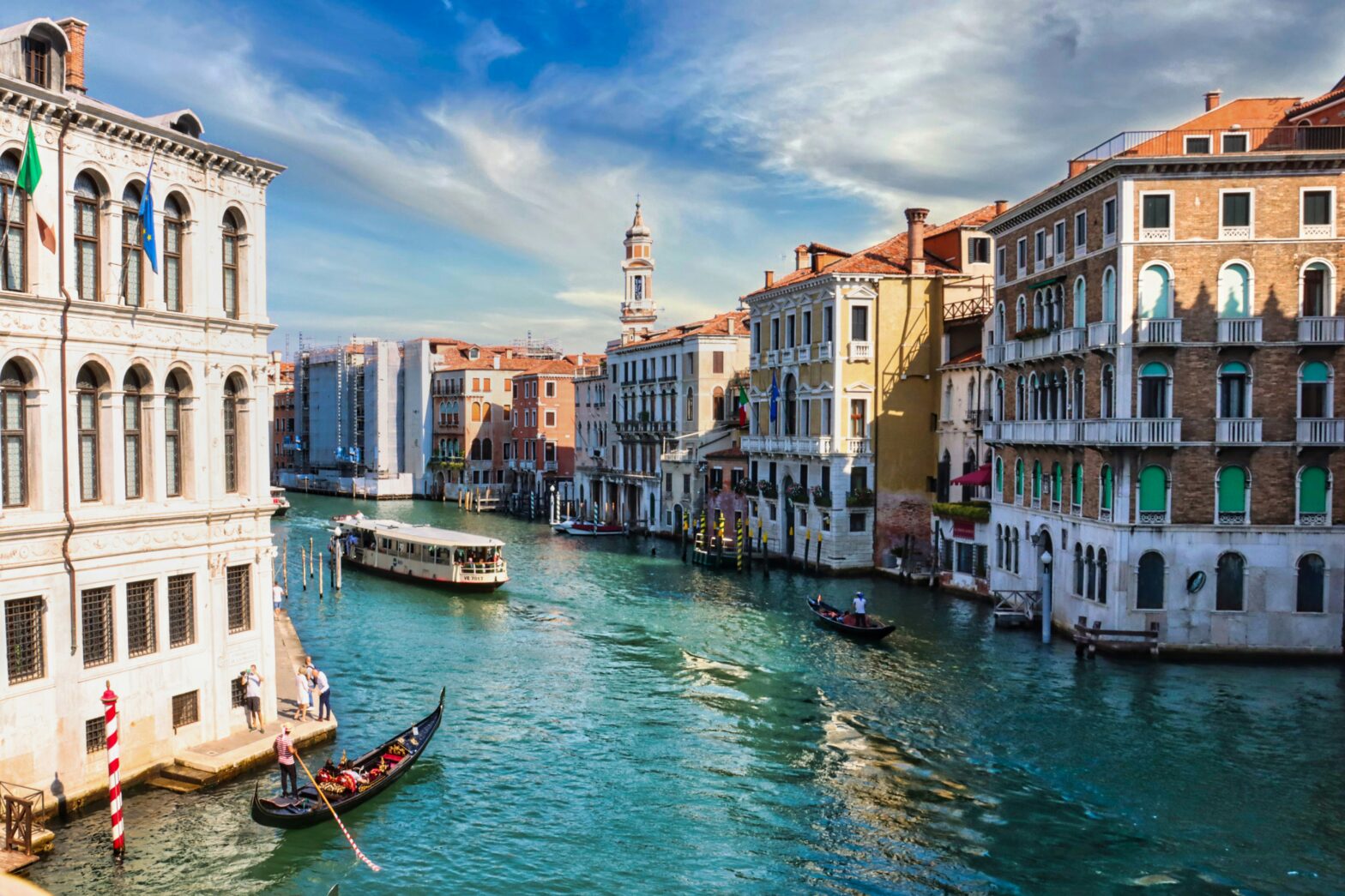
Italy’s crowd-management measures now vary by destination and attraction, which makes the details especially important when planning a trip. Venice applied its access fee on 60 days between April 3 and July 26, 2026, from 8:30 a.m. to 4 p.m., with visitors paying €5 ($6) when booking at least four days ahead and €10 ($11) when booking within the final three days. The City of Venice publishes the applicable dates, rates, and exemptions.
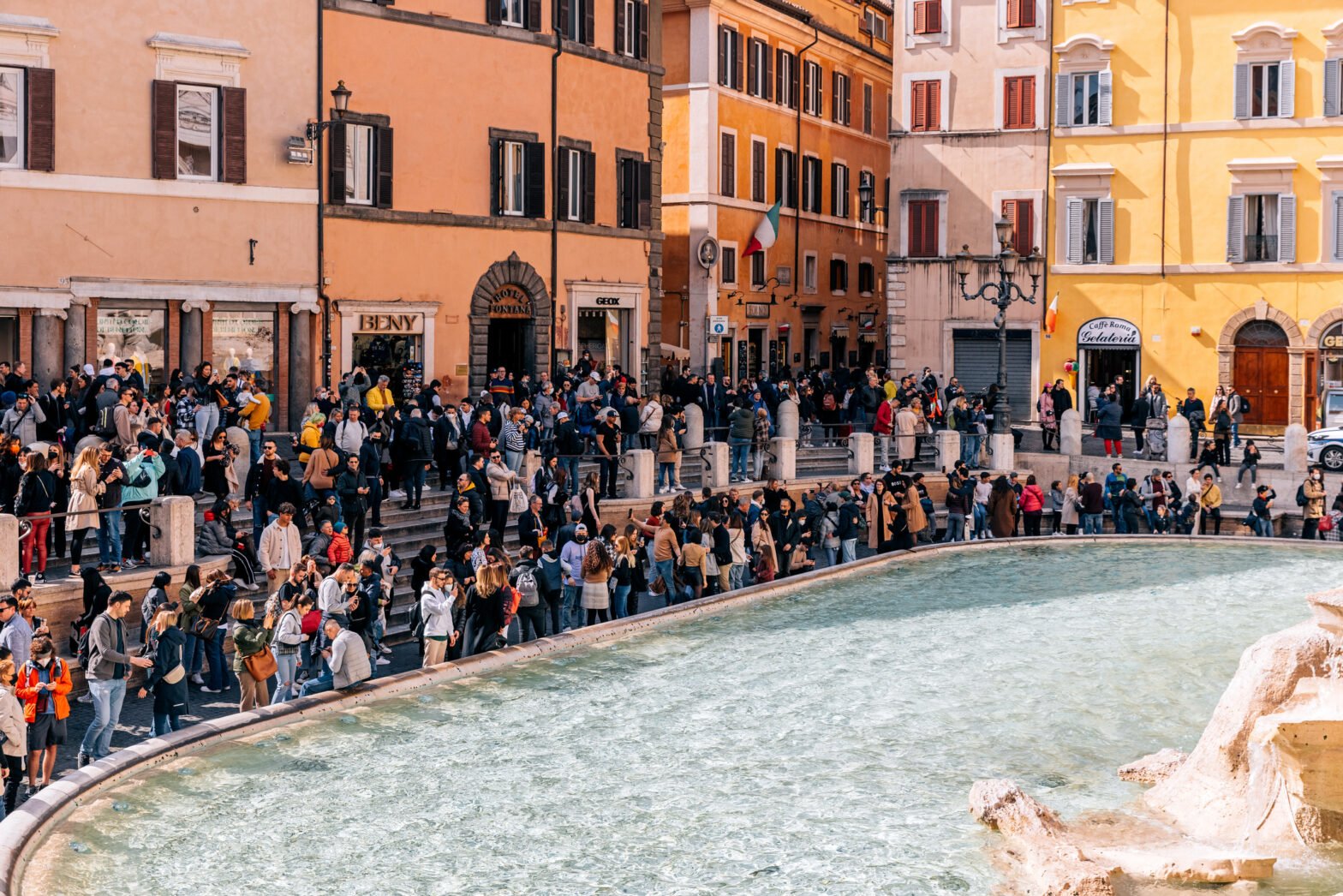
Rome has taken a similar approach at the Trevi Fountain, where tourists and nonresidents have paid €2 ($2.27) to enter the inner viewing area since February 2, 2026. The fee followed a year of monitoring that recorded more than 10 million visitors, with around 30,000 arrivals a day and peaks of 70,000.
In the Dolomites, crowd controls focus on vehicle access. From July 1 through September 15, drivers heading to Lago di Braies between 9 a.m. and 4 p.m. faced restrictions that allowed private vehicles through only with a parking reservation or a valid transit permit for guests staying in the valley. These systems change by season and location, so checking official portals before locking in travel dates can reveal fee calendars, booking windows, exemptions, and access rules that may affect an itinerary.