The excitement of travel comes with a familiar checklist after booking the plane tickets. Find the hotel, plan the excursions, and pack the bags. However, for autistic travelers and their families, the journey requires a different kind of preparation. The crowds in airports, the unpredictability of delays, and the sensory overload of new environments can be deeply overwhelming.
As the travel industry slowly becomes increasingly inclusive, advocates, families, and experts say awareness and planning remain the most powerful tools for a smoother trip. This National Autism Acceptance Month, here’s what passengers, caregivers, and travel professionals should know about traveling with a loved one with autism.
Why Travel Can Be Challenging for Autistic Passengers
According to the Mayo Clinic, Autism Spectrum Disorder is a neurological and developmental condition that affects how people communicate, behave, and experience the world around them. The condition also includes limited, repetitive patterns of behavior. Autism is a spectrum, which refers to the wide range of symptoms and severity of these symptoms.
This spectrum disorder includes conditions that were once thought to be separate: autism, Asperger’s syndrome, childhood disintegrative disorder, and a form of widespread developmental disorder that isn’t specified. According to the Centers for Disease Control and Prevention, approximately 1 in 31 children and 1 in 45 adults in the U.S. have autism, a number that translates to millions of families navigating daily life, including travel with extra thought and care.
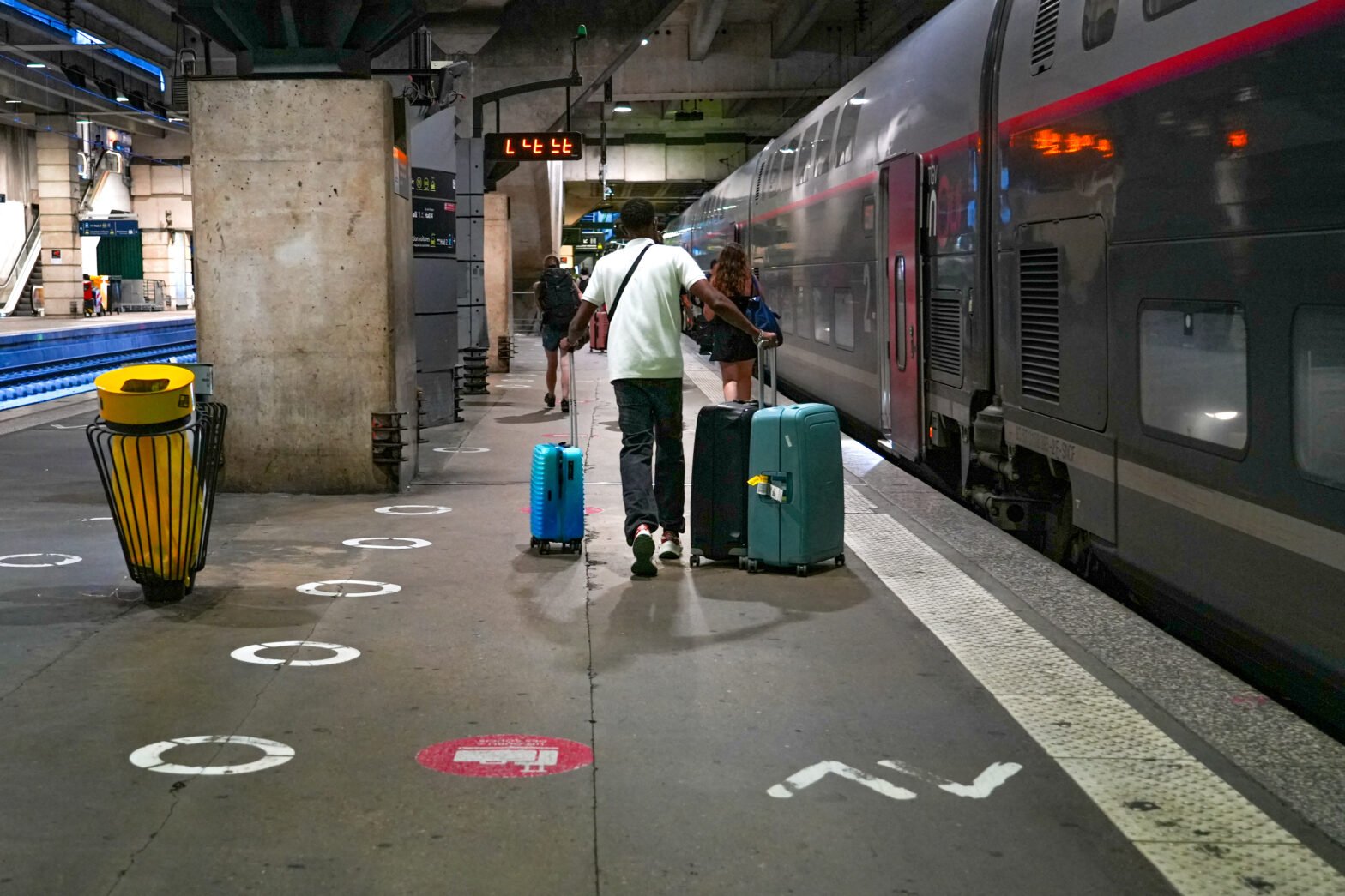
When navigating travel with autistic passengers, challenges that present themselves include sensory issues and a change in routine. Airports, trains, and bus stations are built with efficiency rather than comfort in mind. The combination of fluorescent lighting, loud announcements over intercoms, long security lines, and the unpredictability of movement can trigger stress and anxiety for autistic passengers.
Travel by nature disrupts routine, a challenge for neurotypical travelers to navigate. However, when flights are delayed, gates are changed, and luggage gets lost, these unexpected changes can be deeply distressing for autistic travelers who depend on predictability and structure.
Communication differences add another layer of complexity. Because autism presents across a wide spectrum, some passengers may communicate with ease while others have limited verbal communication or are nonverbal, making it difficult to express discomfort, ask for help, or interact with airline and security staff who may not be trained to respond to their needs.
Despite these challenges, autistic individuals and their families navigate travel with the right preparation, support, and resources that make the journey a little easier for everyone.
Planning And Preparation Tips
Before You Leave
Many autistic travelers thrive on structure and predictability, so planning is key in making the trip smoother. Start by researching autism-friendly airlines, airports, and accommodations. Consider creating a visual schedule or what experts call a “social story” for the passenger with autism. Explaining each step of the journey and familiarizing passengers with the airports, hotels, and even excursions helps to create some predictability.
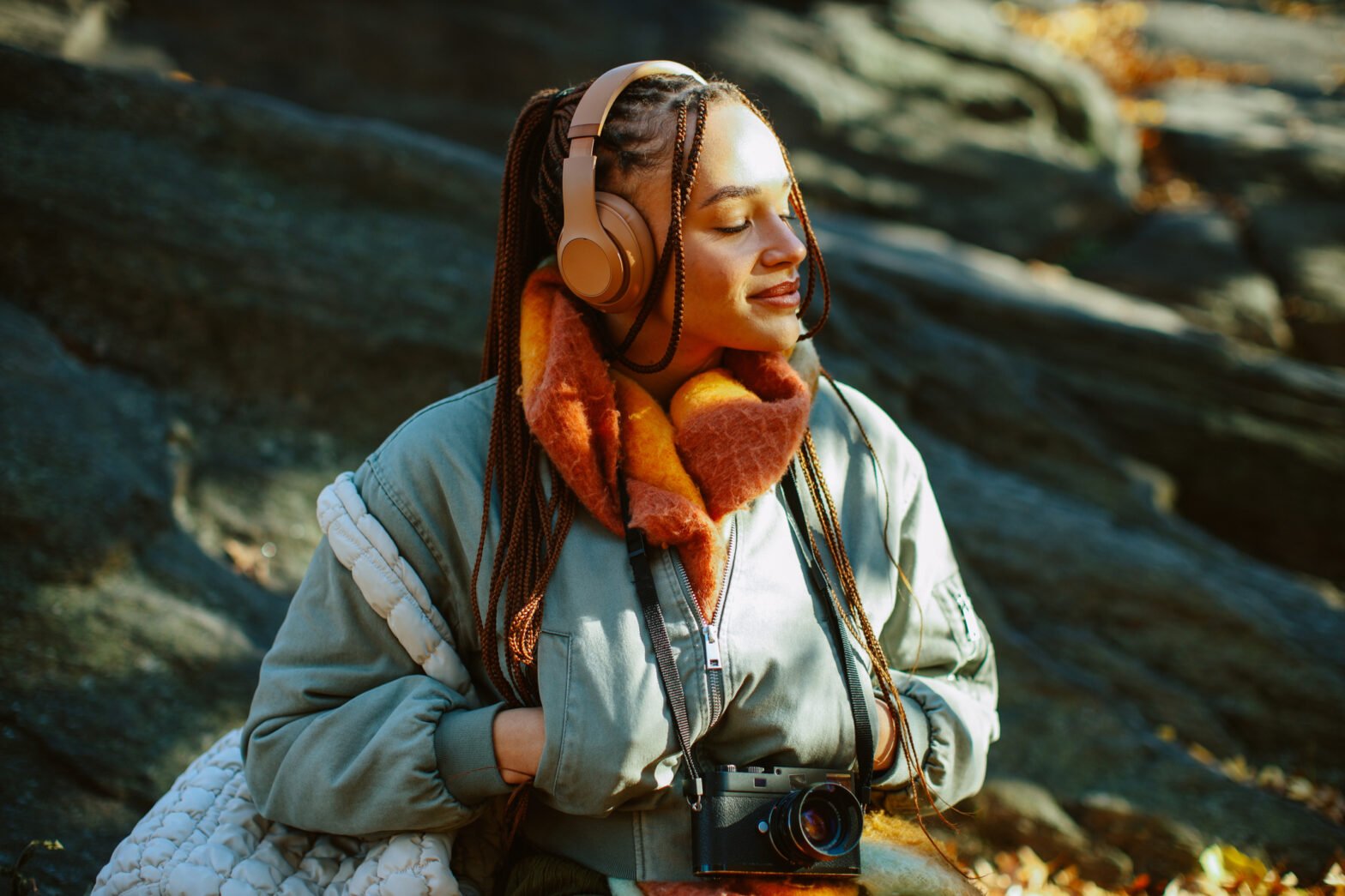
Beforehand, call hotels, excursions, and theme parks to request a special accommodation. There are often programs that help families navigate spaces, crowds, and overstimulating environments. Another great tool to prepare beforehand is a sensory comfort kit that includes noise-canceling headphones, fidget tools, and familiar snacks.
For flights and trains, request preboarding at the time of booking to allow for early boarding, avoid crowds, reduce sensory overload, and settle into seats calmly. Another handy tip is to choose seats ahead of time and walk through a visualization of going to the seat in the social story.
Navigating Airports And Terminals
Arrive early to allow extra time for security and boarding. Consider visibility aids, such as the Sunflower lanyard for hidden disabilities, which serve as visual cues for airport, train, or bus staff.
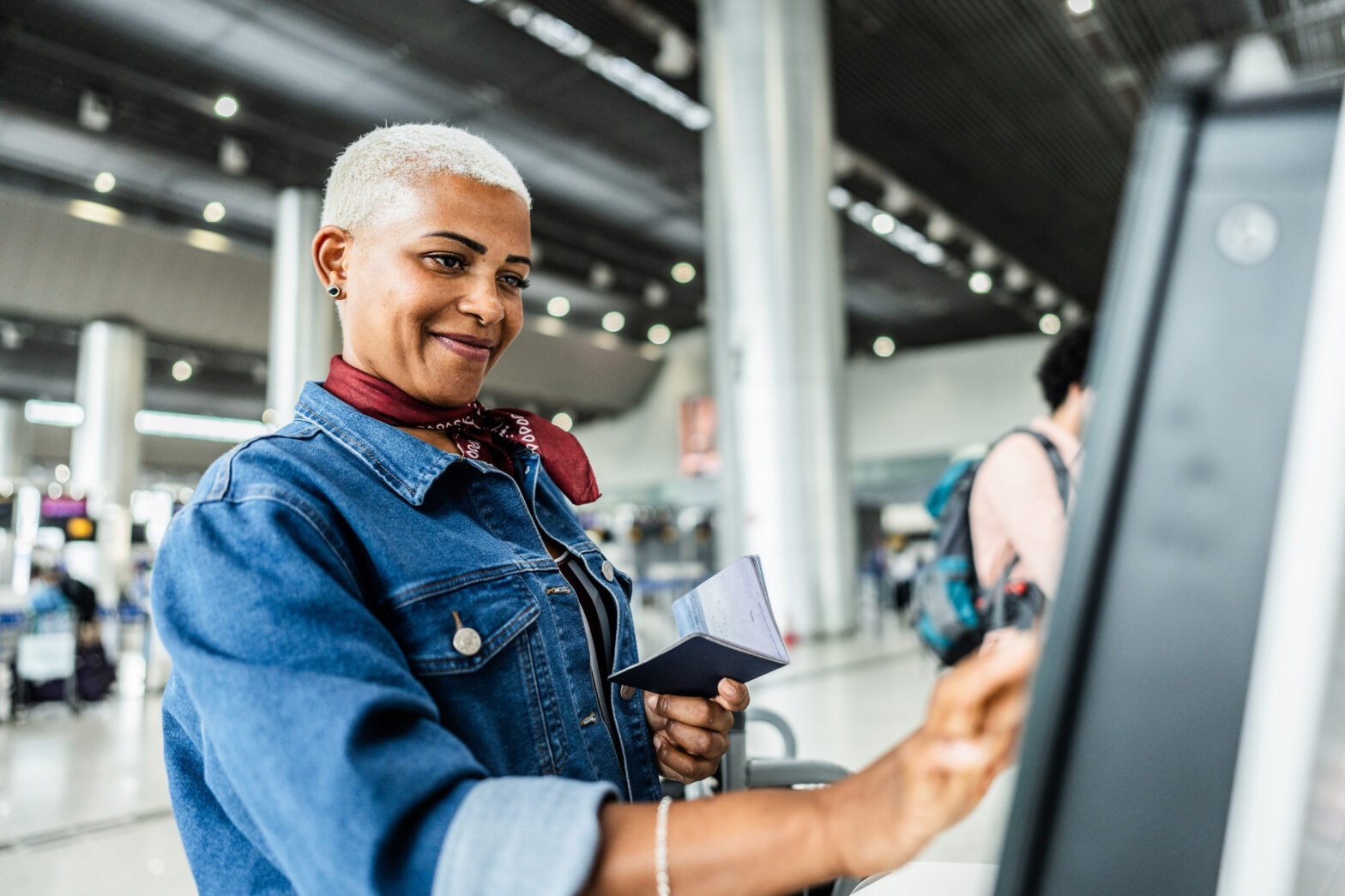
Families and loved ones can also obtain help with TSA Cares. It’s a free and specialized helpline and assistance program for travelers with disabilities, conditions, or special circumstances. The service provides personalized support to navigate the airports smoothly through trained passenger support specialists. You should request this service at least 72 hours before travel.
For assistance with navigating cruise terminals, notify the cruise line in advance and request assistance, since TSA only operates in airports.
On Planes And Trains
Making flights and train rides comfortable is key for passengers with autism. Decide which seat is better for your loved one. Window seats tend to reduce the overstimulation from people walking through the aisles, and aisle seats allow these passengers to get up quickly.
Communicate your loved one’s needs to the flight crew in advance and ensure in-flight sensory strategies are in place, including entertainment, special headphones, and items that support optimal comfort, such as pillows, snacks, and gadgets that help them stay calm.
Settling Into A New Environment
Traveling can take a lot out of anyone, so give yourself or a loved one time to adjust to a routine before hitting the ground running. Settling into a new environment will likely involve setting up a familiar route, creating a sensory-friendly space, and using visual aids to reduce anxiety, according to Autism Speaks.
Maintain regular meal, nap, and bedtime schedules as much as possible. Manage sensory input upon arrival with white noise machines and, if needed, blackout curtains to mitigate unfamiliar sounds or lighting.
Identify quiet spaces in the new location for those moments when an escape, retreat, and decompression are needed. The most important thing here is allocating time to adjust and a safe space for those moments that are overwhelming.
Checking Your Own Emotions As A Caregiver
Tips and resources are invaluable, but one of the most overlooked aspects of traveling with an autistic loved one is managing the emotional weight as a caregiver. As someone with a nephew with autism, I find myself on the defensive when traveling with him. It’s not that I expect people to tolerate the way he sees the world, but I do expect them to respect him. This is why I think it’s important as a caregiver to also manage your own emotions and practice scenarios.
My nephew gets really excited, and when he’s passionate about something like cars, astronomy, or math, he wants to discuss it to no end. I practice redirecting the conversation with my nephew and explaining to those he encounters within my inner circle that he’s neurodivergent. I make it a point not to apologize for how he sees the world, but I also go to great lengths to advocate for his safety. People won’t always see things from your perspective, so practice how you will handle fellow passengers who lack sensitivity and respect.
The Best Destinations For Travelers With Autism
As the world continues to evolve, many destinations, resorts, and theme parks now specifically cater to travelers with autism. Some of the best resources for individuals and families planning trips include Autism Travel, a directory of certified destinations, theme parks, and hotels that have undergone specialized training. Autism Double-Checked also has a directory of autism-certified hotels worldwide, and Autism Speaks offers comprehensive travel tips, travel toolkits, and guidance for air and train travel.
Autism-Certified Cities and Beach Destinations
Mesa, Arizona
Mesa became the first U.S. city to be designated an Autism-Certified City by the International Board of Credentialing and Continuing Education Standards (IBCCES) in 2019. Led by Visit Mesa, more than 60 organizations, including hotels, museums, and the police, were trained in providing specialized care, sensory-friendly spaces, and support for neurodiverse visitors and residents.
Myrtle Beach, South Carolina
Like Mesa, Myrtle Beach is leading the way in training. In partnership with the Champion Autism Network, more than 150 local businesses, hotels, and attractions have been trained in providing sensory-friendly experiences. The city offers low-stimulation activities, safety resources such as GPS trackers, and a welcoming environment. Families especially appreciate the city‘s sensory-friendly movie screenings and autism-aware restaurants.
The Bahamas
Resorts on the islands partner with the International Board of Credentialing and Continuing Education Standards (IBCCES) to ensure autism-friendly, inclusive tourism. It’s highly recommended as a destination because it offers sensory-friendly resorts and specialized support to help you or your loved ones feel comfortable.
Atlantis Paradise Island is known for its sensitive staff and low-sensory areas. Baha Mar is a luxury destination in Nassau where staff have been noted for their ability to accommodate specific special needs.
Disney Parks and Disney Cruise Line
Leading the way in its support for autism is Disney. There is a dedicated team to help guests who are neurodivergent navigate theme parks and resort hotel areas. Key support includes the Disability Access Service, which allows guests with autism to schedule return times for attractions to avoid long, crowded standby lines. Disney provides sensory-friendly maps, quiet locations for de-escalation, and regular training for cast members.
Disney Cruise Line offers extensive support for guests with autism, including specialized youth activities, dietary accommodations, and quiet spaces. Key features include pre-arrival planning through Special Services, sensory-friendly options, and trained staff, though one-on-one care is not provided
Other Cruise Line Options
Autism on the Seas is another resource for families and individuals who want to cruise. The international organization has collaborated with Royal Caribbean International since 2007 to develop cruise vacation services for adults and families with children who have special needs. These services quickly expanded to other cruise lines.
Travel is not one-size-fits-all. For autistic travelers and their families, the journey can present unique challenges. However, with the right preparation, the right destinations, and a growing industry that is learning to meet neurodiverse travelers where they are, these journeys have become smoother and more exciting.