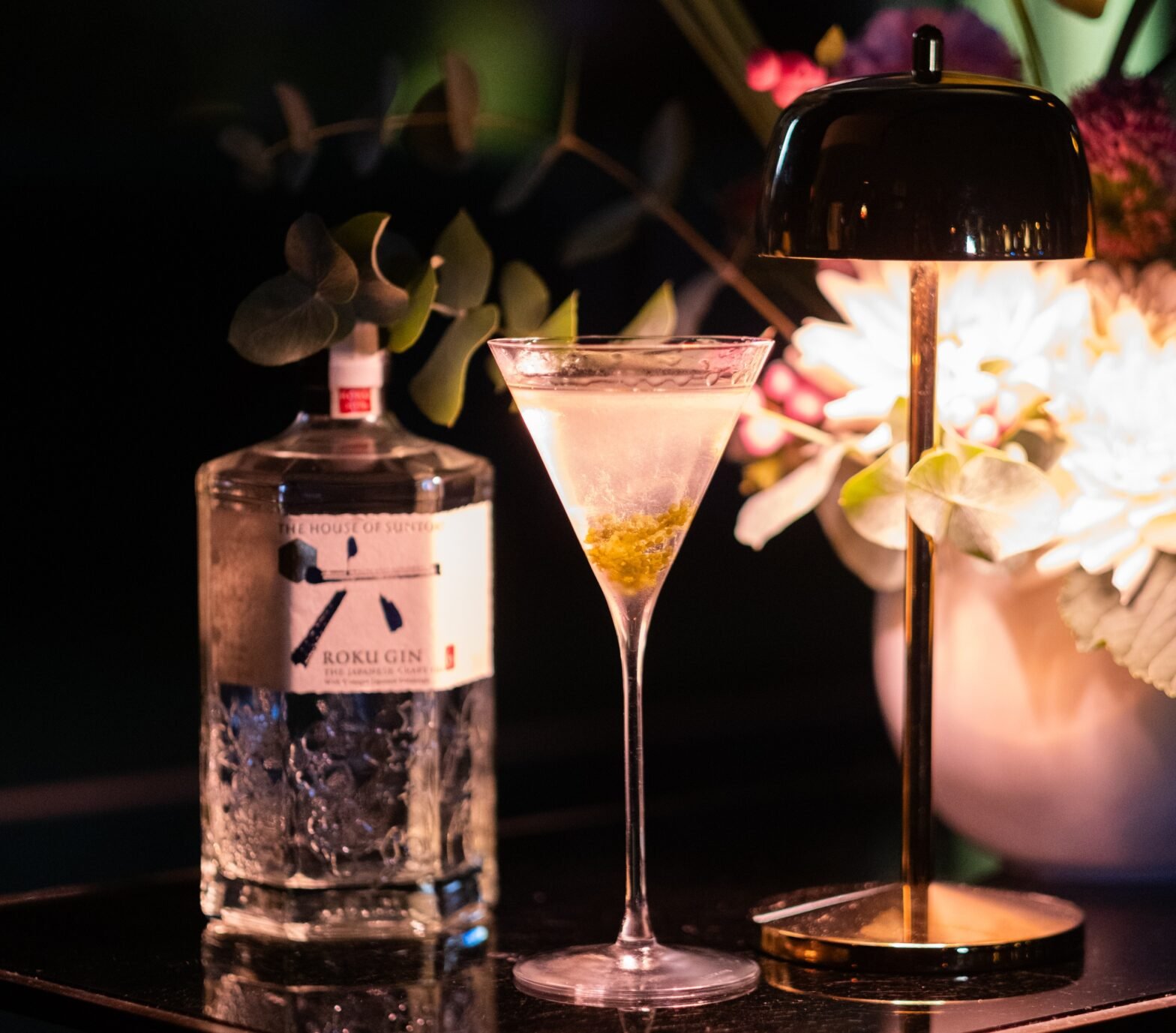
At Kumiko, in Chicago’s West Loop, Julia Momosé serves a cocktail built on Japanese curry rice. Each ingredient in the New Wave ties back to a component of the dish, yet, as she puts it, “it drinks like a Manhattan.” On the other side of her menu, the gin-based Sea Flower arrives with a rim of salt, sugar, nori, kombu, and MSG, alongside kabosu juice and yuzu kosho, a fermented paste of yuzu and green chili.
I spoke with Momosé in Milan, where she was leading a masterclass at The House of Suntory’s Suntory Time events during The World’s 50 Best Bars Week. The program celebrated Japanese cocktail culture, with international bartenders and bar owners gathered in the city, and Momosé’s work at Kumiko is rooted in the food and language she grew up with.
That same bar community watched Accra’s Front/Back, a club built around African and diaspora art and music, named Africa’s best bar. Cartagena’s Alquímico placed third with menus tied to Colombian farmers, and Hong Kong’s Bar Leone kept the top spot with a room modeled on Rome’s neighborhood bars.
Inside Milan’s Celebration Of Japanese Cocktail Culture
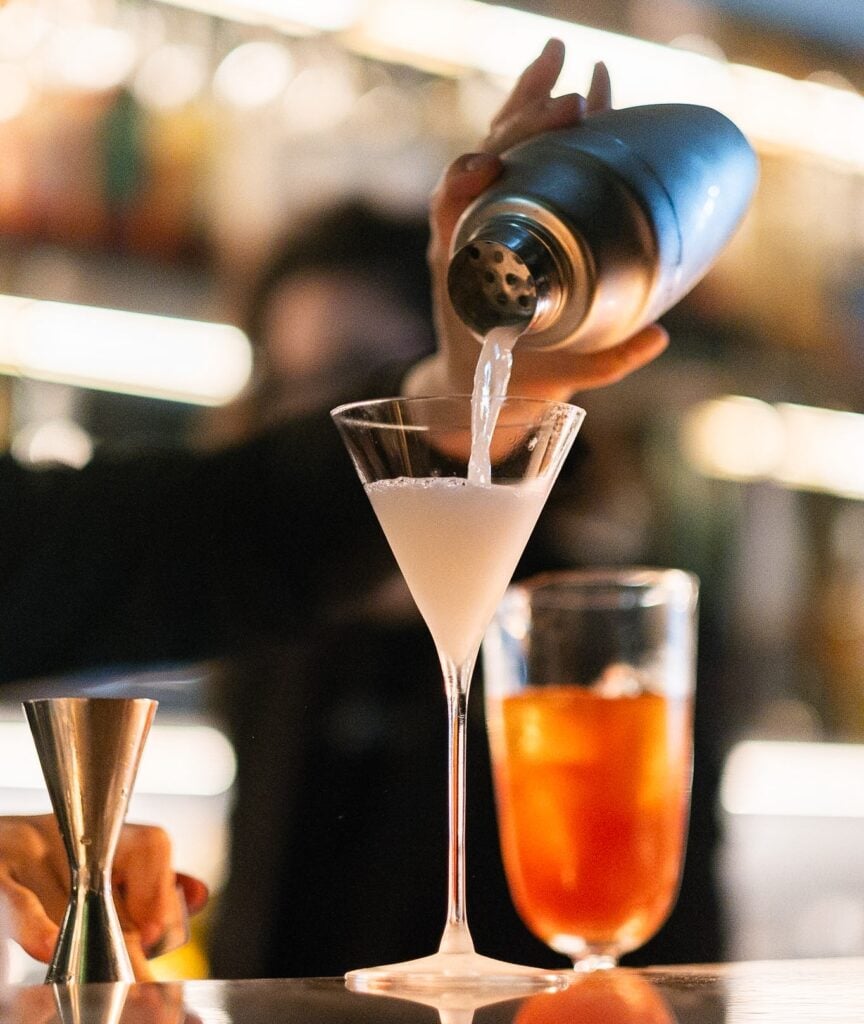
Suntory Time brought two days of masterclasses and guest shifts to the Ceresio 7 rooftop bar, with sessions led by Momosé and Shingo Gokan of New York’s Sip & Guzzle and Hong Kong’s Gokan. Roku Gin, Toki Japanese Whisky and Haku Vodka anchored the program, which focused on the details of Japanese bartending, from the sourcing of ingredients and the construction of a drink to its presentation and the exchange between bartender and guest.
Momosé’s masterclass used the Toki Highball, a familiar format, to show the precision and restraint behind Japanese cocktail-making. Her own path began at a speakeasy in Kyoto, where she had her first cocktail. Kumiko runs on omotenashi, a Japanese approach to hospitality she describes as careful listening and respect for what each guest needs, which might mean conversation one night and space and silence the next.
Gokan’s guest shift leaned on Japanese ingredients and playful flavor, including his Omatsuri Banana, a mix of Toki, miso, chocolate, and caramelized banana that sets savory notes against sweet ones. Travelers can find his approach in Tokyo too, where The SG Club in Shibuya bridges 19th-century American speakeasy culture with traditional Japanese craftsmanship. The bottles carried their own references to Japan. Roku is built around shun, the idea of enjoying ingredients at their seasonal peak, Toki draws on the energy of contemporary Tokyo, and Haku is made from 100% Japanese white rice.
Julia Momosé On Kumiko, Identity, And Belonging
Kumiko won World’s Best Bar at the 2025 Tales of the Cocktail Spirited Awards. Momosé, who was born and raised in Japan, sometimes has to explain to guests that it’s more than Japanese-inspired.
“One of the challenges that I face is that I don’t look Japanese,” she said. She explained that some guests initially see Kumiko as a Japanese-inspired establishment. “Kumiko is as Japanese as myself and our guests are. When I have Japanese guests in the space, I’m speaking in Japanese [and] we’re doing our dance. It’s a language and dance that only we can do because we are Japanese together.”
Momosé particularly enjoys Kumiko’s sake-based cocktails. “Japanese sake and shōchū are some of my favorite ingredients in the world,” she said. “If you make someone a cocktail and they love it, they want to know what’s in it. If I can make them fall in love with sake through cocktails, maybe they’ll start ordering more sake as well.”
Getting her own bar took years in an industry she describes as hard on women when she arrived in the United States. “There isn’t space made for us,” Momosé said. “We have to either make it ourselves or become indispensable in ways.” She memorized drink lists at college bars and brought bottles to the bartenders to prove herself.
With guests who aren’t Japanese, she makes the connection differently. “Being multicultural, I can kind of speak both of those languages. But then also being multicultural means that I don’t really fit in,” she said. “So, knowing what it is to not belong, I think helps me create space for other people.”
What Cartagena, Hong Kong, And Milan Put In The Glass
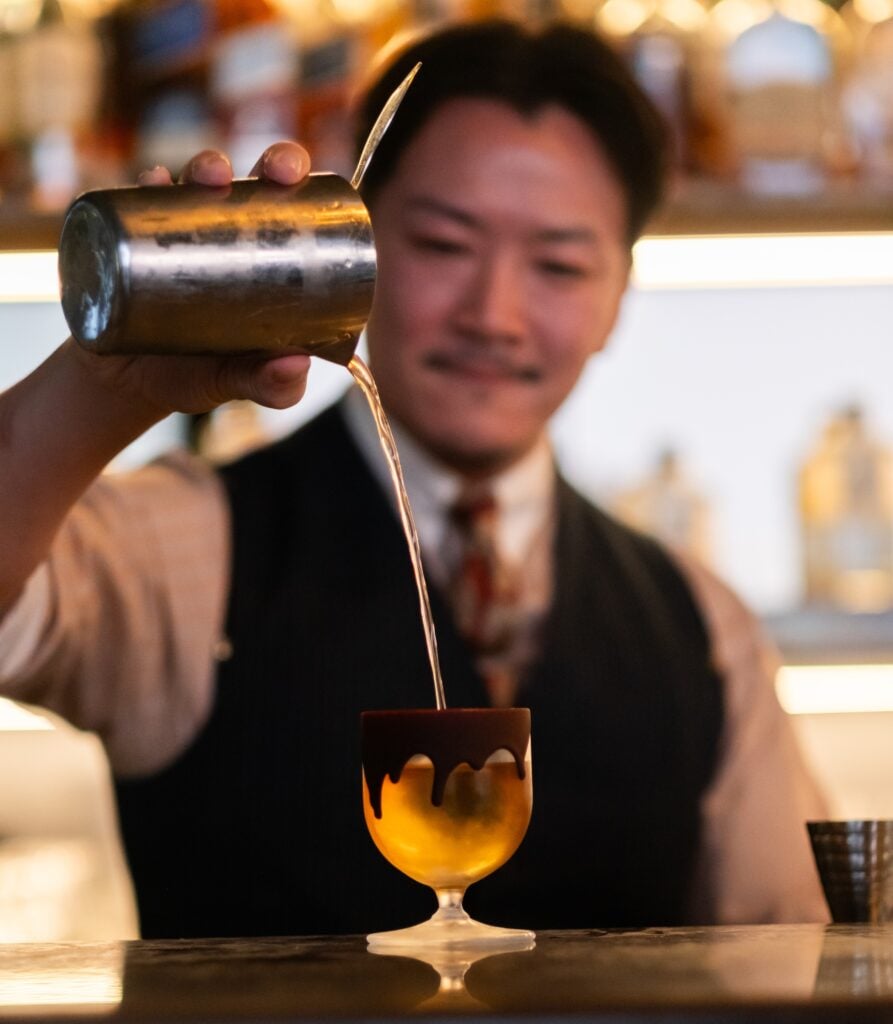
The same week brought the global bar community to Milan for The World’s 50 Best Bars 2026, announced on October 7 at the Palazzo del Ghiaccio. Bar Leone kept the No. 1 spot for a second straight year, Milan’s Moebius rose from No. 7 to No. 2 and was named Europe’s best bar, and Cartagena’s Alquímico placed third. The Roku Industry Icon Award, sponsored by the list’s official gin partner, went to Shingo Gokan.
At Bar Leone, Roman founder Lorenzo Antinori calls his drinks cocktail popolari, or cocktails of the people, and his Olive Oil Sour works Sicilian extra virgin olive oil into a whiskey sour with honey and lemon. Moebius keeps its bar, Michelin-starred kitchen and live music under one roof, and its Pesto Martini came from the relationship between the bar and the kitchen.
In Cartagena, Alquímico occupies a Republican-era mansion in the walled city, with a different menu on each of its three floors. An all-female bartending team runs the ground floor, where the Comunidad menu ties into Asocoman, a farming community the bar supports. Lulo, chontaduro, and viche, the sugarcane spirit with roots in Afro-Colombian communities on the Pacific coast, all turn up in the drinks.
Inside The Bar That Put Accra On The List
Front/Back became the first Ghanaian establishment to receive The Best Bar in Africa award, a regional title introduced in 2025. It landed at No. 80, with fellow Accra bar La Borracha at No. 87, making them the first West African bars to appear on the ranking. The club sits on First Osu Lane, with The Container, a public art gallery, at its entrance. The decor and cultural programming draw on the African diaspora. The drinks have featured ginger, wild honey, bissap, and moringa, while the Spicy Note pairs tequila and house-made raspberry purée with hot pepper dust on the rim.
Front/Back is a private members’ club, so most guests arrive with a member or through the seasonal Visitor Membership, which admits the holder and three guests. More than 40 artisans contributed to the space. Visitors can buy or commission many of their pieces, and DJ nights run regularly. Travelers without a way into the club can still walk into The Container, open to the public Tuesday through Saturday from 1 to 7 p.m.