Travel to Turkey and Cyprus is still possible, but official warnings indicate that the security situation has become more complex amid the ongoing Middle East conflict. For U.S. travelers, the latest advisories do not tell people to avoid all of either destination, but they do draw sharper lines around risk.
The U.S. Department of State’s travel advisory for Turkey says Americans should “exercise increased caution” because of terrorism, armed conflict, and arbitrary detentions, while also stating that travelers should not go to southeast Turkey because of terrorism and armed conflict.
The State Department’s Cyprus advisory is stricter, telling Americans to reconsider travel because of “the threat of armed conflict” and limited U.S. embassy assistance in the Turkish Cypriot-administered area. At the same time, the UK government’s advice for Turkey and Cyprus does not advise against travel to most tourist areas, though both pages warn that regional escalation has increased security risks and caused disruption. That means the current answer isn’t a simple yes or no. Travel is not shut down, but travelers heading to either destination right now need to pay closer attention to where they are going, how they are flying, and how quickly official guidance can change.
What The Official Turkey And Cyprus Travel Advisories Say Now
The clearest distinction in the official guidance is between Turkey as a whole and specific higher-risk areas inside the country. The U.S. State Department rates Turkey at Level 2, which means Americans should exercise increased caution, and warns travelers not to go to the southeast of Turkey. The advisory states, “Do not travel to southeast Turkey due to risk of terrorism and armed conflict.” For many travelers planning trips to Istanbul, the Aegean coast, or other major tourism centers, this is worth noting.
The broad message is that popular tourist areas remain open, but parts of the country closer to conflict zones carry a much higher risk profile.
Cyprus now carries a higher U.S. warning. The State Department raised the island to Level 3 on March 3, telling Americans to reconsider travel because of the threat of armed conflict and limited embassy assistance in the Turkish Cypriot-administered area. The country information page for Cyprus says the advisory level increased after the United States authorized the departure of non-emergency government employees and family members due to safety risks.
Why Flight Disruption May Be the Biggest Issue for Travelers
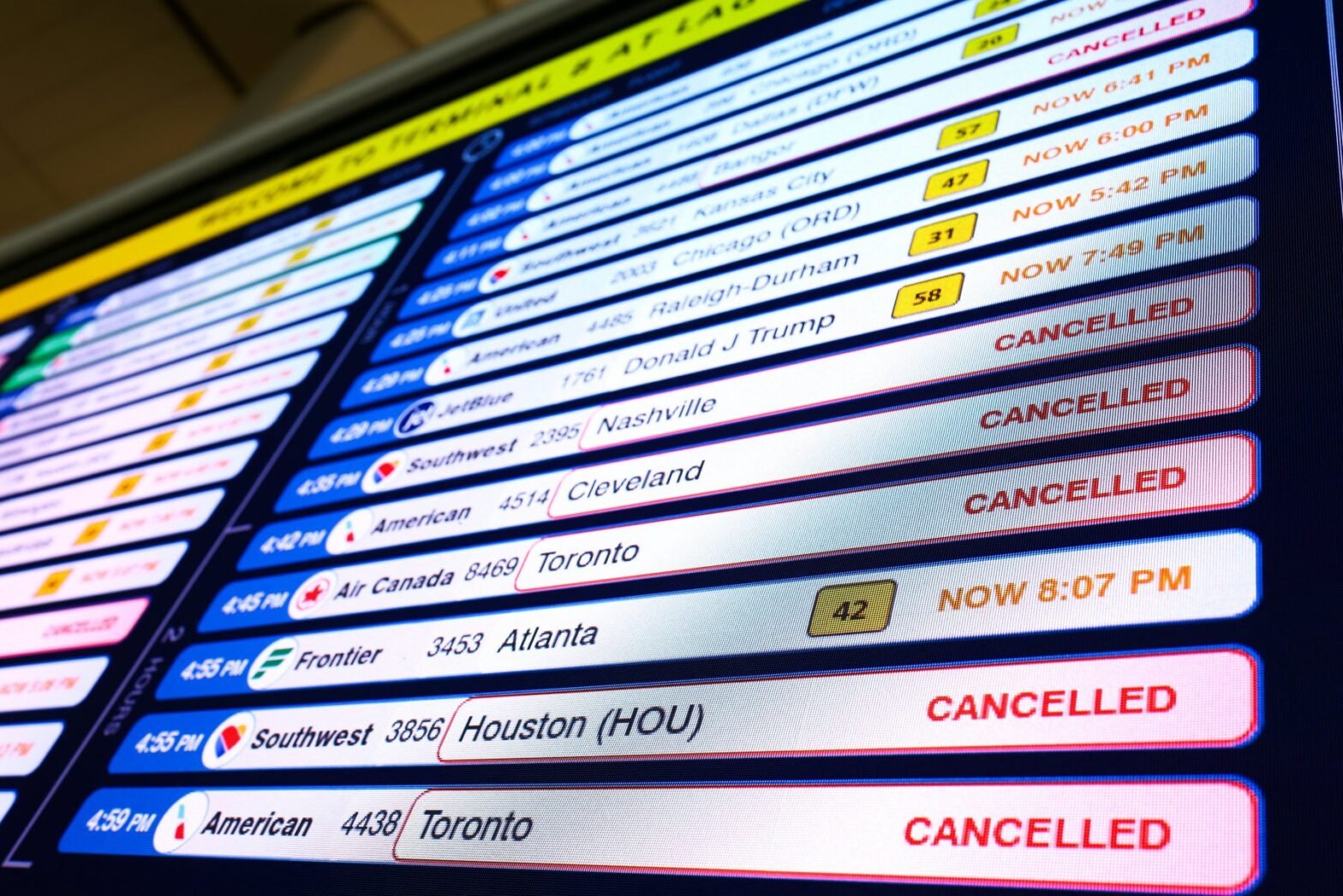
For many travelers, the most immediate problem is the way the broader conflict has disrupted flights across the region. Reuters reported that Turkish Airlines canceled flights to Iraq, Syria, Lebanon, Jordan, Doha, Dubai, Abu Dhabi, Kuwait, Bahrain, and Dammam, and suspended flights to Iran. In a separate report, Reuters said that Turkey extended cancellations to several Middle Eastern destinations as the conflict intensified. Those route changes matter even for people whose final destination is a beach resort or city break in Turkey or Cyprus, since airspace closures and airline schedule changes can affect connections, rerouting, and delays across a much wider network.
Cyprus has also felt the pressure of the regional crisis. A drone strike on a British air base in Cyprus raised new fears on the island about being pulled deeper into the wider conflict. And while Cyprus’ borders remain open to visitors, it demonstrates why official advisories have grown more cautious. For travelers booking now, the takeaway is straightforward: Turkey and Cyprus are still accessible, but they are operating in a more fragile environment.