Not every trip into nature has to come with a heavy backpack, a bruised ego, or a story about how hard the trail was. Many travelers want the open air, the views, the animals, the water, and the sense of being somewhere quieter without turning a vacation into an endurance test.
For many Black travelers, that appetite is showing up in trips that feel outdoorsy but still comfortable. Think horseback riding with a local guide, safari drives that end at a well-run lodge, glamping stays with real beds, scenic hikes with clear routes, thermal baths tied to local traditions, and coastal walking trails that leave room for a good meal afterward. This is the heart of soft adventure.
It gives travelers a way into nature without asking them to perform toughness. It also reflects a bigger shift in travel. Outdoor recreation continues to grow in the U.S., and adventure travel companies are seeing increased interest in walking and wildlife-based trips, while wellness travel has moved far beyond the spa. Black travelers are already part of this demand. MMGY Global’s Black Traveler report found that Black U.S. leisure travelers spent $109.4 billion on travel in 2019, across 458.2 million traveler stays. The spending power is clear. The question for the travel industry is whether nature-based trips are being designed with the right level of welcome, clarity, and care.
Travelers Want The View Without The Struggle
The new outdoor traveler is not always looking for a hardcore trip. They may want a morning ride through open countryside, a safari drive before breakfast, a warm soak after a day of walking, or a tented stay that still comes with a real mattress and a hot shower. The interest is nature, but the mood is ease.
That is why soft adventure has become such a useful niche for travel companies. It speaks to people who want to be outside without being left to figure everything out alone. The Outdoor Industry Association highlighted that outdoor participation in the U.S. reached a record 175.8 million people in 2023, or 57.3 percent of Americans ages six and older. The group also found that newer and more casual participants helped drive growth in activities such as hiking, biking, camping, running, and fishing.
For Black travelers, the appeal is about choosing outdoor experiences that feel considered from the start. Black communities have long built joy, rest, and connection around beaches, parks, camps, resorts, farms, and open spaces, even when access was restricted or unequal. The National Park Service has documented African American outdoor history through parks, beaches, camps, resorts, and other leisure spaces, including during periods of exclusion and segregation. What has changed is the visibility around who gets into these experiences and how they are designed.
Safaris, Glamping, Walking Trips, And Hot Springs Are Leading The Category

Soft adventure is already showing up across several kinds of travel. Safari is one of the most obvious examples. Game drives bring travelers close to wildlife and conservation stories, but many safari lodges also offer polished hospitality, strong guiding, good food, and comfortable rooms. The result is nature with structure, which can be especially appealing for travelers who want a meaningful outdoor experience without roughing it.
Walking trips fit easily into this shift because they can be as gentle or ambitious as the traveler wants. A coastal trail, vineyard walk, forest route, or guided city-to-countryside path still brings movement and scenery, but the experience can be shaped by distance, pace, terrain, and support. That flexibility is important for travelers who want to feel active without signing up for a punishing itinerary.
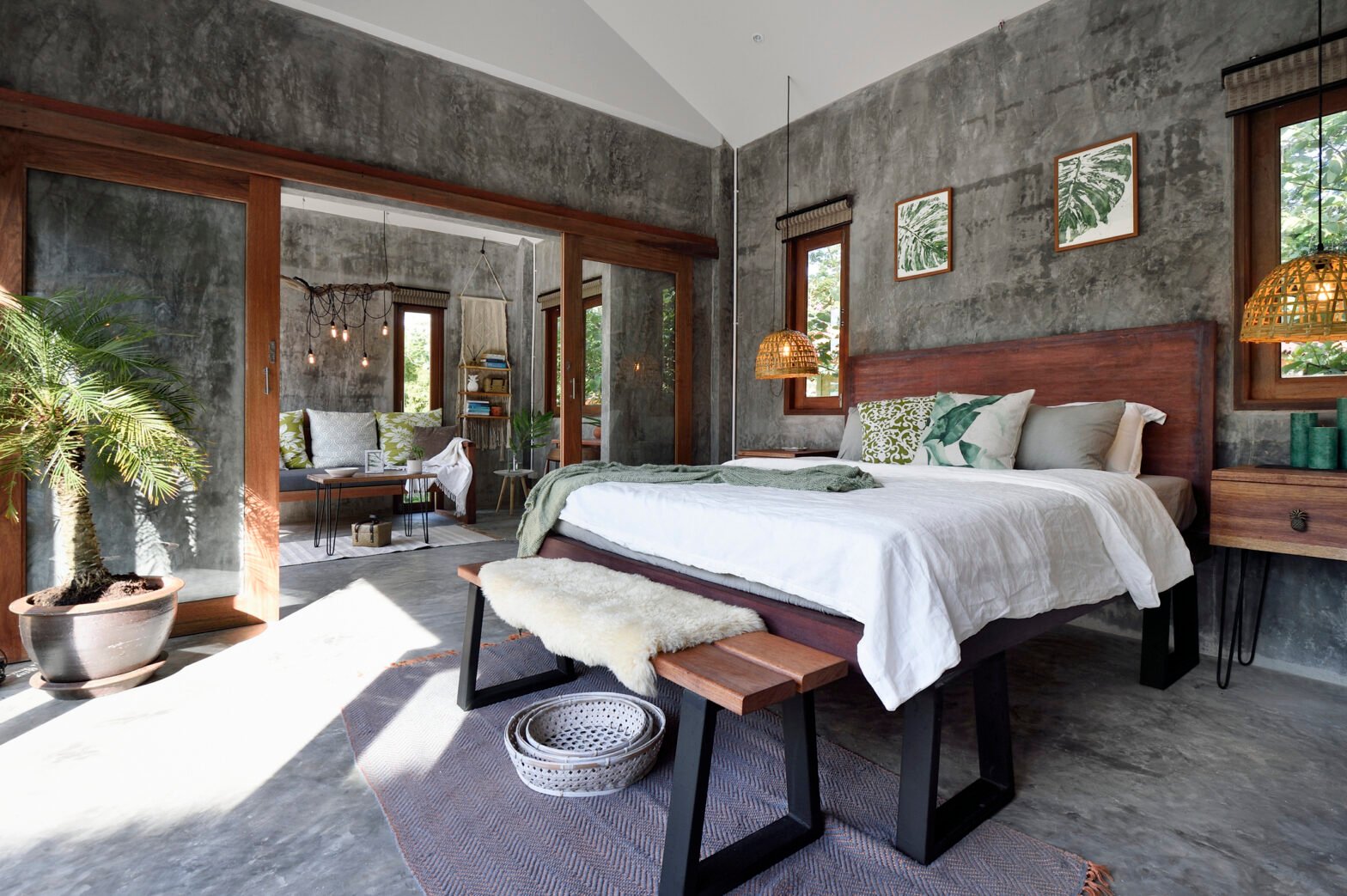
Glamping has taken the same idea and turned it into a full hospitality category. The global glamping market was estimated at $3.79 billion in 2025 and is projected to reach $7.87 billion by 2033, according to Grand View Research. That growth points to a clear demand for outdoor stays that come with comfort, design, and convenience, from safari tents and cabins to domes and desert camps.
That same appetite for nature with comfort is also shaping wellness travel. Hot springs and thermal baths bring wellness into the conversation about soft adventure. They give travelers a way to experience nature through water, rest, and local bathing traditions instead of physical endurance. For someone who wants a restorative outdoor experience, a mineral spring can offer the same sense of place as a hike, but with a very different level of effort.
The Best Trips Make The Outdoors Easier To Enter
For soft adventure to work, the details have to be honest. A trip sold as easy should feel easy once travelers arrive. A “gentle hike” should not become a steep three-hour climb, and glamping guests should know whether bathrooms sit beside the tent or down a dark path. Wellness retreats also need clear details on meals, treatments, activities, and extra costs before guests book.
For Black travelers, the strongest soft adventure experiences also take belonging seriously. That starts with marketing that reflects a wider range of guests, but it does not end there. It includes guides, hosts, staff training, community partnerships, and storytelling that do not treat Black travelers as an afterthought.
The rise of soft adventure reflects a clear demand for outdoor trips that feel easier to enter. People want nature, but they want information. They want movement, but they also want rest. They want fresh air, wildlife, warm water, open trails, and memorable places without having to become hardcore adventure travelers first. That makes the outdoors easier for people who have been interested all along.