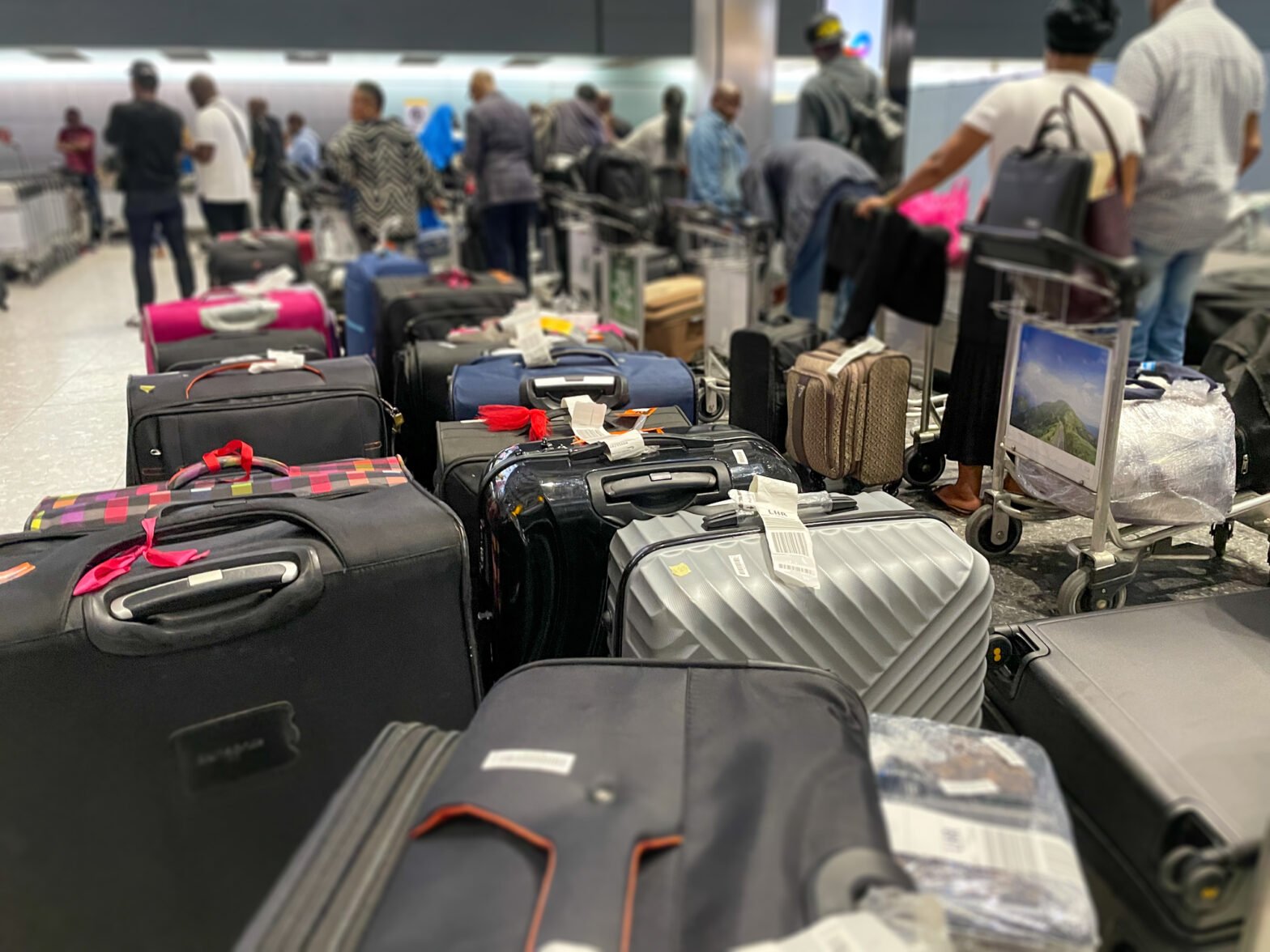
The recent wave of flight disruptions across the Middle East has exposed how heavily global air travel still relies on a small group of Gulf transfer hubs. Reuters reported that more than 21,300 flights were canceled at seven major airports, including Dubai, Doha, and Abu Dhabi, after regional conflict sharply restricted airspace and disrupted one of the world’s main long-haul corridors. The report said the fallout stranded tens of thousands of passengers and squeezed an already narrow path for flights traveling between Europe and Asia, impacting travelers far beyond the Middle East itself.
Many itineraries between Europe and Asia, and between Africa and Asia, rely on Gulf hubs as central connection points, even when neither the departure city nor the final destination is in the region. When those hubs slow down or close, delays ripple outward fast. Routes disappear, rebooking becomes harder, and travelers with urgent plans can find themselves stuck in a system with fewer alternatives than they expected. The disruptions have also pushed airlines to rethink schedules and capacity, while giving travelers a clearer reason to look more carefully at where they connect before they book.
Why Major Middle East Layovers Have Become A Bigger Booking Risk
The main reason these disruptions have landed so hard is simple: Gulf airports play an outsized role in long-haul international travel. In its March 3 report, Reuters said Dubai, Doha, and Abu Dhabi are key hubs for global east-west air traffic and described Dubai as the world’s busiest international airport. When operations at those airports face severe restrictions, the effects do not stay local.
Flights between Europe and Asia feel the strain quickly, and so do journeys connecting Africa to Asia via the Gulf. The crisis has also narrowed one of the few usable corridors for long-haul aircraft, making rerouting more difficult for airlines already dealing with cancellations and higher operational costs. Travelers caught in the disruption made clear how fragile a single layover can become when a hub breaks down.
In a separate Reuters report from the Gulf, French tourist Tatiana Leclerc said, “We can’t get home, we can’t go back to work, we can’t get the kids back to school.” Dubai resident Sara, who was trying to reach Germany for her brother’s wedding, told Reuters, “I was supposed to have a flight next week, but I just really cannot risk it being delayed whatsoever.” Reuters said she began planning a much longer route through Oman and Saudi Arabia instead. Those accounts show why travelers are paying closer attention to layovers that once seemed routine. A connection that looks efficient on a booking page can become the weakest part of the trip when the airport handling it is also a global choke point.
What Travelers Should Check Before Booking Europe-Asia Or Africa-Asia Flights
For travelers booking long-haul trips now, the main change is how they evaluate the route before buying a ticket. Instead of focusing only on price and total travel time, it makes sense to consider the transfer city and the airline’s flexibility if conditions change. Fares and bookings jumped on some alternatives to Gulf carriers, including the Hong Kong-London market, as travelers searched for routes less exposed to the disruption. That response suggests a broader change in booking behavior: travelers are not only comparing airlines but also which hubs pose greater operational risk during periods of regional instability.
Airlines themselves are signaling that caution. On its current travel information page, Lufthansa says it has suspended flights to and from Dubai, Abu Dhabi, Amman, and Erbil through March 28; flights to and from Dammam through March 17; and flights to and from Tel Aviv through April 2. Lufthansa also says that any possible operations in the United Arab Emirates are subject to case-by-case approval from authorities and that there is “no guarantee that a flight or desired flight time will be approved.”
The airline advises customers to check flight status before heading to the airport. For travelers, that means a low-cost or convenient itinerary is no longer enough on its own. It is worth checking whether the route depends on a single Gulf connection, whether the airline is offering flexible rebooking, and whether there is a reasonable backup routing if conditions worsen.