Bronzeville is a historic African American district on Chicago‘s South Side. It’s one of the earliest examples of the effect of Black magic and shows the power African Americans have when they come together.
Although it’s only seven miles long, the area drew more than 3,000,000 Black Chicagoans and prominent figures during the 1920s through the 1950s.
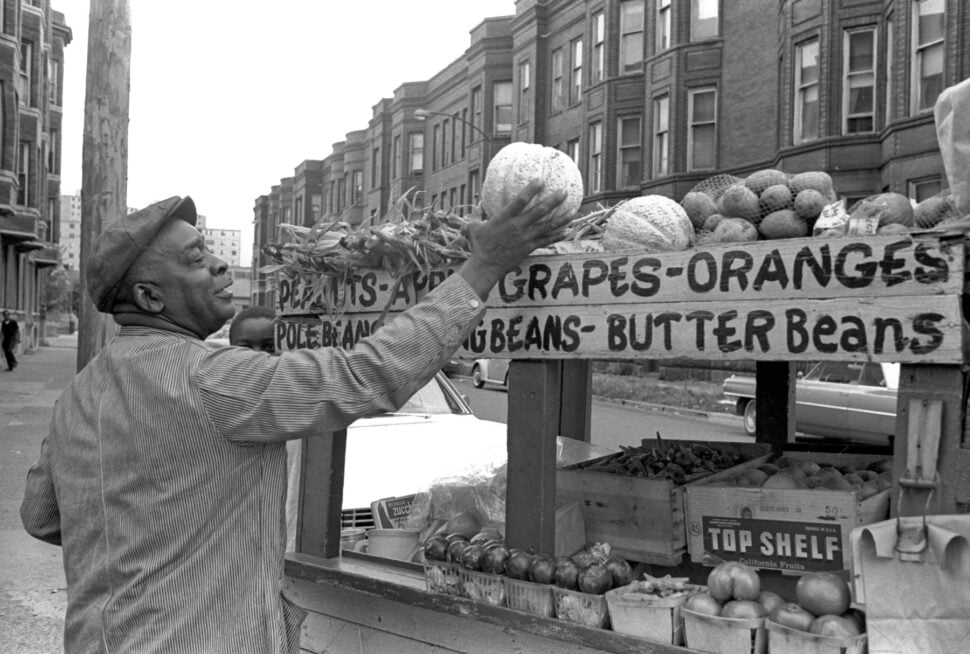
Bronzeville created thriving Black businesses and institutions, including Provident Hospital, Parkway Community House, Overton Hygienic Company, Binga Bank, now historic landmarks in the city. These businesses gave African Americans access to resources that racists tried to deprive them of.
At the time, restricted housing limited Chicago’s Black population to specific areas — for example, from 22nd to 63rd streets, between State Street and Cottage Grove. Located at the corners of 35th and State Street and 47th Street, Bronzeville brought excitement to its restricted area. Downtown businesses wouldn’t serve Black citizens, so they created their own fun. Nightclubs and dancehalls played jazz, blues, and gospel music, drawing everyone from Southern musicians to diverse listeners.
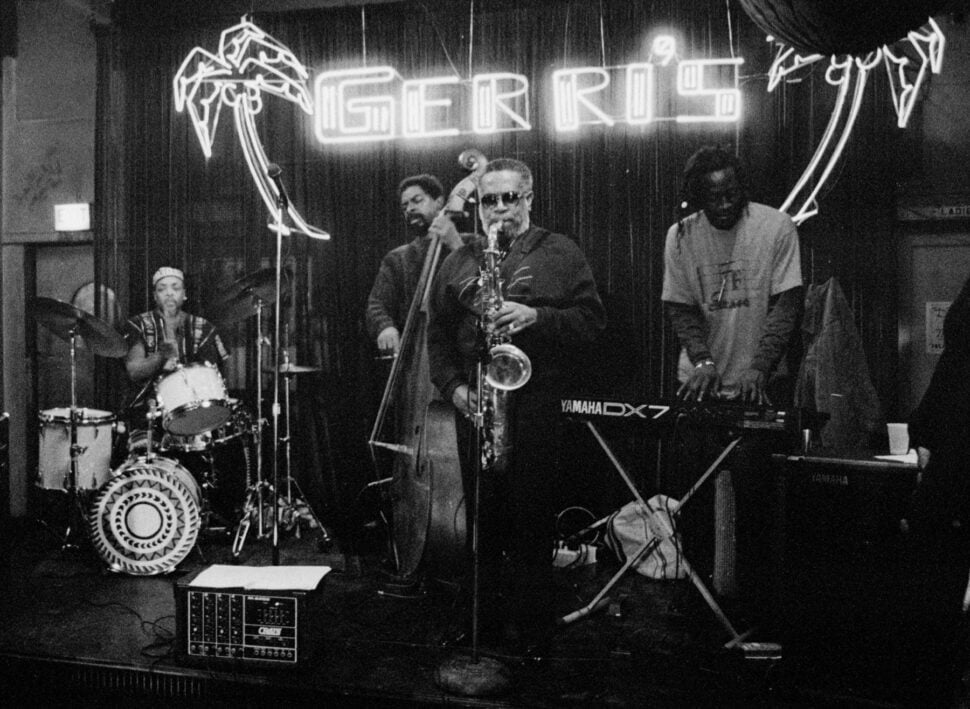
The famous Regal Theater hosted the nation’s most glamorous Black entertainers.
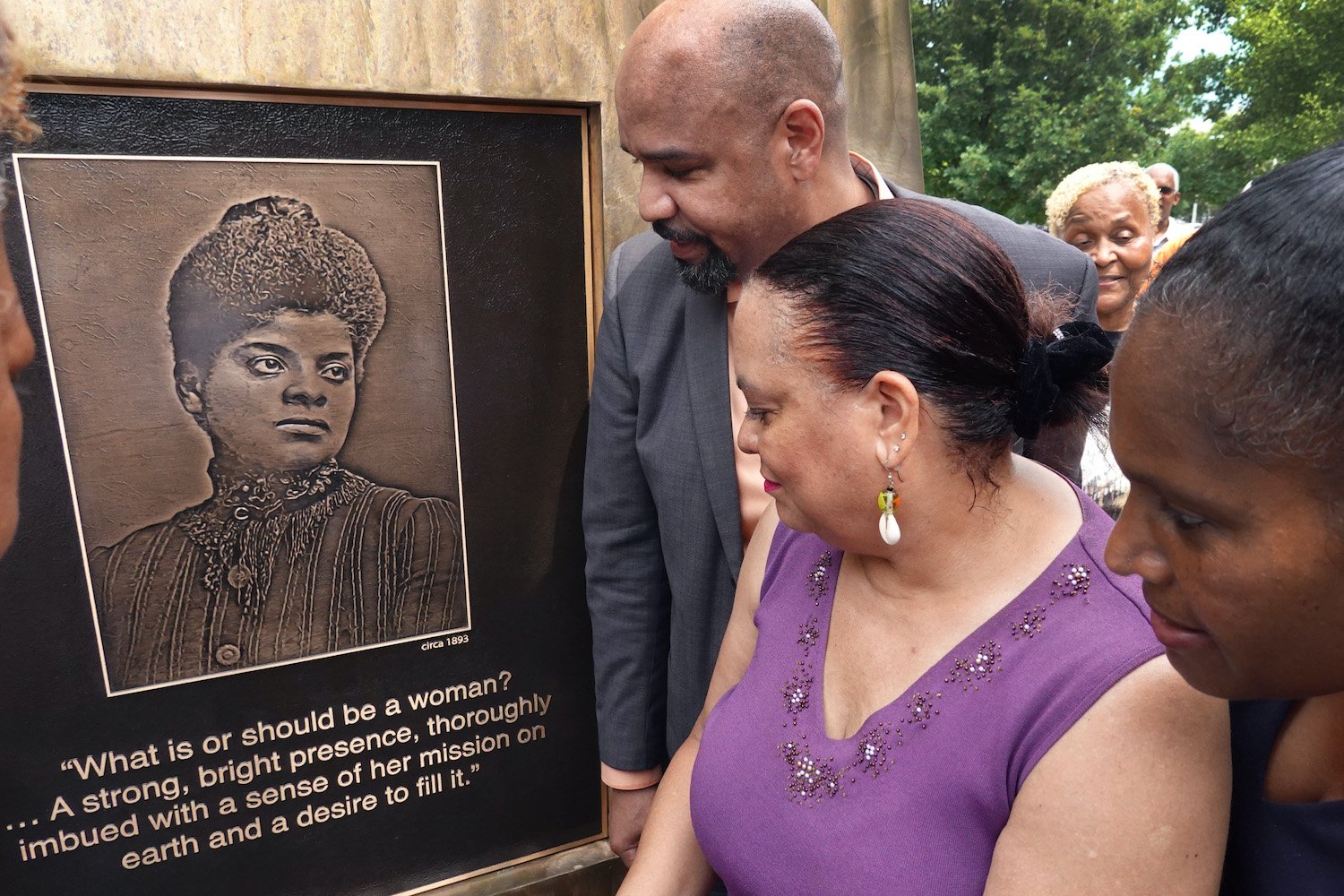
In Bronzeville, the thrill of being seen was at an all-time high. Black citizens had entertainment, as well as places to conduct business and shop. From laborers and professionals to the poor and prosperous, everyone wanted to see how the Black Metropolis could change their lives. The area was home to investigative journalist Ida B. Wells, Jazz Musician Louis Armstrong, Poet Gwendolyn Brooks, and more.
Many even called the community a ‘city within a city.’ It was also seen as the center of Black journalism, as many Black publications grew, including the Chicago Defender — a nationally recognized newspaper.
However, after racially restricted housing ended, Bronzeville declined sharply as Chicago’s Freedom Movement gained momentum. The Chicago Freedom Movement challenged systematic racial segregation and discrimination through nonviolent direct action. When racial housing restrictions ended, Black citizens could move into predominantly white neighborhoods. Many upper- and middle-class families that helped boost the area moved away. The move left room for overpopulation and poverty to take hold.
In 2021, the community saw a rise in murders and shootings. The surge prompted current citizens to restore their community. It has become one of Chicago’s must-see areas. Often, you’ll see many tourists travel there to see the nine architectural landmarks.
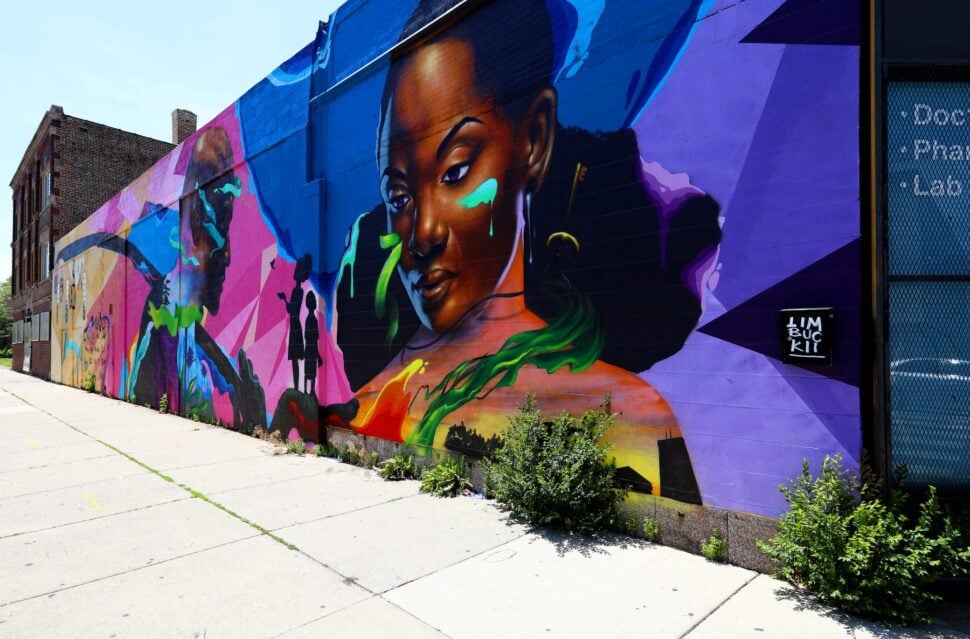
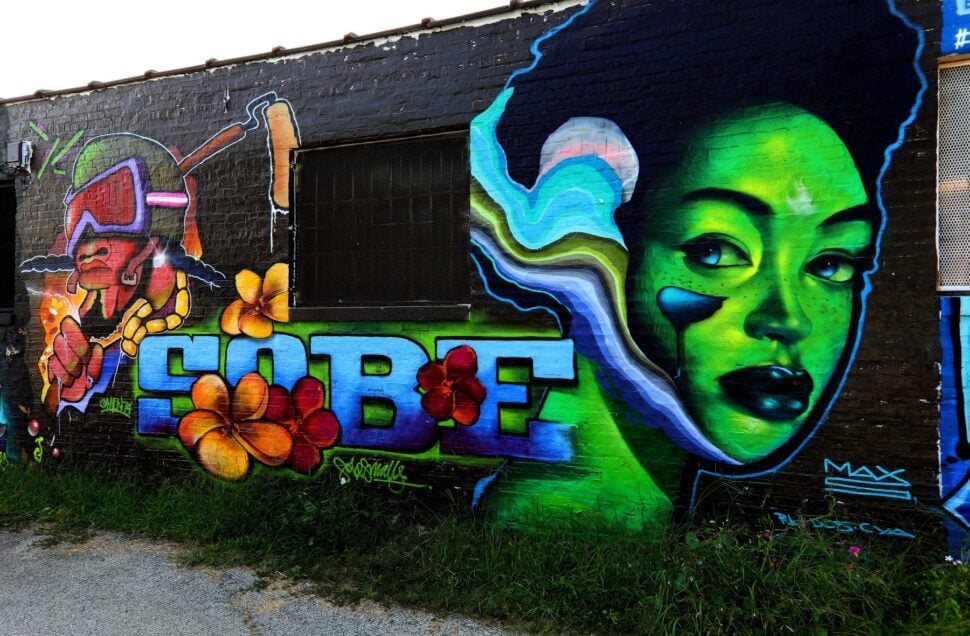
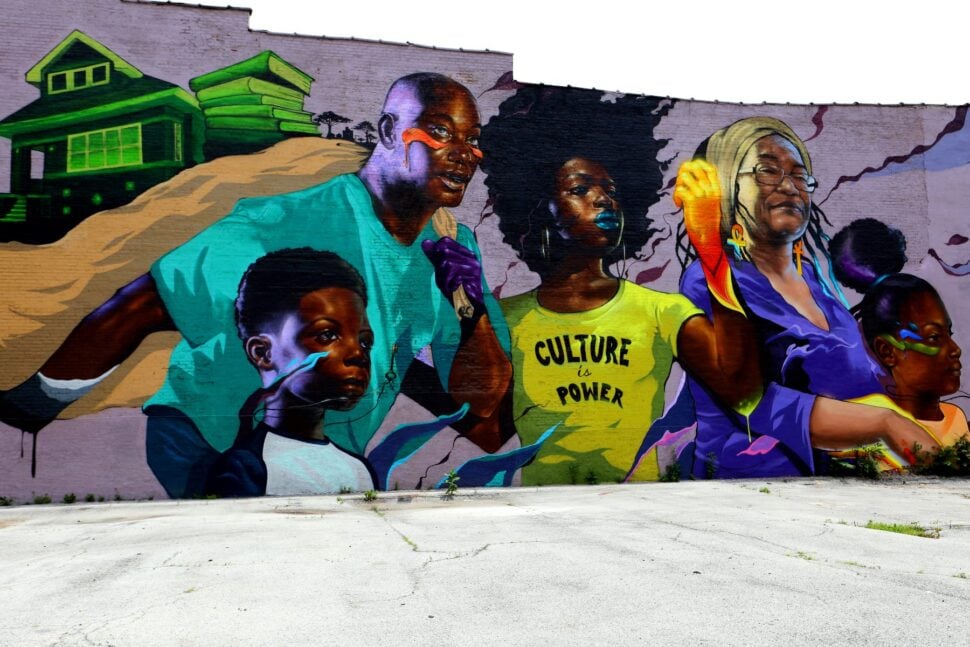
Editor’s Note: Originally published on February 2, 2022, this article has been updated with editorial revisions and refreshed formatting to improve readability and reflect Travel Noire’s current editorial standards.
Blavity U Ambassador Lashaunta Moore is a Graduate student at Columbia College Chicago, studying entrepreneurship for creatives. With a bachelor’s degree in media communication, she’s also a freelance journalist and digital content producer who enjoys writing about all forms of news.
.
At the time, restricted housing limited Chicago’s black population to specific areas — from 22nd to 63rd streets, between State Street and Cottage Grove, for example. Located on the corners of 35th and State Street and 47th Street, Bronzeville brought an exciting energy to their restricted area. Businesses downtown wouldn’t serve Black citizens, so they decided to create their own fun. There were nightclubs and dancehalls filled with jazz, blues, and gospel music that attracted everything from Southern musicians to diverse listeners.
.
In Bronzeville, the thrill of being seen was at an all-time high. Black citizens had places for entertainment, conducting business, and shopping. From laborers, professionals, poor and prosperous, everyone wanted to see how the Back Metropolis could change their lives. The area was home to investigative journalist Ida B. Wells, Jazz Musician Louis Armstrong, Poet Gwendolyn Brooks, and more.
.
However, after the end of racially restricted housing, Bronzeville saw a steep decline due to Chicago’s Freedom Movement. The Chicago Freedom Movement challenged systematic racial segregation and discrimination through nonviolent direct action. When racial housing restrictions ended, Black citizens were allowed to move to predominately white neighborhoods. Many upper and middle-class families that helped boost the area moved away. The move made room for overpopulation and poverty to fill the community.
In 2021, the community saw a rise in murders and shootings.
The surge prompted current citizens to restore their community. It has become one of the ‘must-see’ areas when visiting Chicago. Often, you’ll see many tourists travel there to see the nine architectural landmarks.
.
Blavity U Ambassador Lashaunta Moore is a Graduate student at Columbia College Chicago, studying entrepreneurship for creatives. With a bachelor’s degree in media communication, she’s also a freelance journalist and digital content producer who enjoys writing about all forms of news.</p>