At this point in summer, the people who planned their trips properly are already away, while everyone else is staring at expensive flights and promising to be more organized next time. Fortunately, the travel calendar is offering another chance to keep that promise. The end of 2026 brings Diwali, Christmas travel, and New Year’s Eve, while early 2027 arrives with one of the world’s biggest Carnival celebrations. Those trips may feel distant now, but their most desirable hotels, event tickets, and limited seasonal experiences are already entering the booking cycle.
Going generally recommends booking international flights two to eight months before departure, with more lead time around holidays and major events. That makes August less about finding a miraculous deal and more about getting the trip you pictured before availability edits it on your behalf. These five destinations all have something specific happening later in the year or early next year. By August, the dates are set, reservations are open, and there is still enough choice to book the trip you actually want, with only a manageable amount of financial panic.
Rio de Janeiro, Brazil

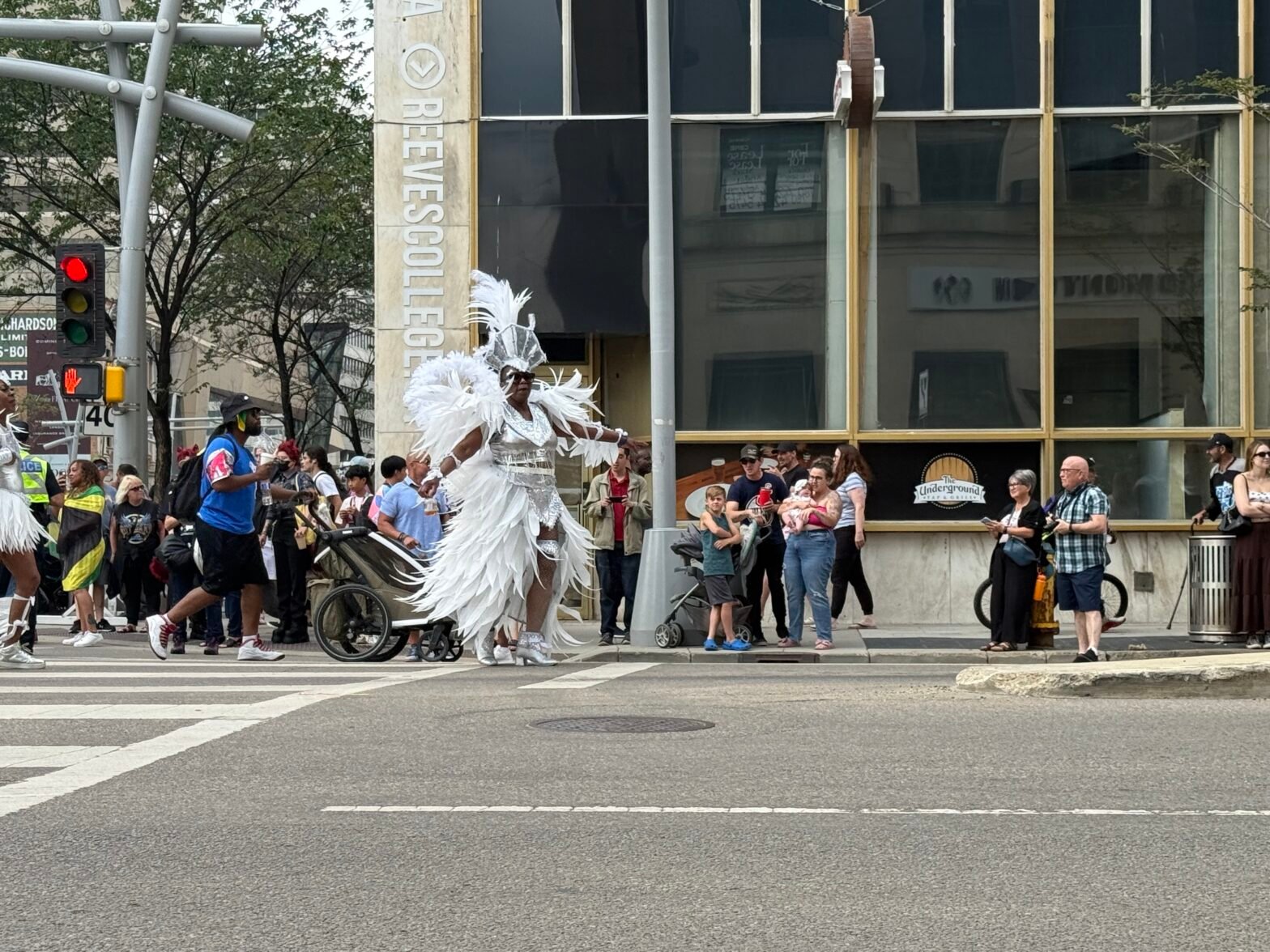
Six months before Carnival might sound excessively organized until you see that the earlier Passaporte and Ingresso Sambista ticket allocations are already sold out. Ticketmaster’s official Rio Carnaval page confirms that the Special Group samba schools will parade on February 7, 8, and 9, 2027, followed by the Champions’ Parade on February 13. Standard grandstand tickets are listed as coming soon, although the organizers have yet to announce their sale date. Anyone hoping for a particular parade night or section should follow the official ticket page.
Once the parade ticket is handled, accommodation becomes a question of how visitors expect to spend the rest of the week. The South Zone keeps beaches and restaurants close, while straightforward transportation to Centro becomes more useful for late nights at the Sambadrome. Road closures and bloco routes can alter normal trips during Carnival, so a suspiciously cheap room may lose its charm after one complicated return.
Sydney, Australia

Few annual celebrations punish indecision quite as efficiently as New Year’s Eve in Sydney. According to CoStar, the city’s hotels reached 95.4% occupancy on December 31, 2025, while the average daily room rate rose to AUD 1,009.10 ($709), the first time it had exceeded AUD 1,000. The official Sydney New Year’s Eve website is already listing ticketed cruises, dinners and waterfront events for December 31, 2026, giving August bookers both evidence of demand and concrete options to compare.
A hotel described as “harbor-side” may still face an office building, so anyone paying extra for fireworks should confirm the room category and viewing direction. Staying farther from Circular Quay can lower the accommodation cost, although late-night transportation and event access then require closer attention. Reserving a flexible room in August leaves time to compare cruises, paid venues and public vantage points without trying to solve the entire evening after the available options have narrowed.
Rovaniemi, Finland

Your Christmas fantasy may involve snow-covered cabins, reindeer, and the northern lights, but the reservation process is far less whimsical. From December through March, many of Rovaniemi’s winter activities sell out early, with Christmas and New Year placing additional pressure on accommodations. Families, couples and aurora seekers are all choosing from the same pool of glass igloos, cabins, family rooms and excursions, making August a sensible time to secure the parts of a December trip that cannot easily be replaced.
A family focused on Santa Claus Village may prefer to stay near its attractions, while central Rovaniemi provides easier access to restaurants and other city services. Cabins outside town offer greater seclusion and darker skies, although transfers become a larger part of the itinerary. December also falls within Rovaniemi’s official northern lights season, which runs from late August until early April. The aurora makes no promises, but reindeer visits, snowmobile tours and Christmas experiences can be reserved.
Dakar, Senegal

Between late October and mid-December, Dakar will move almost directly from a historic sporting event into a major contemporary art gathering. The Summer Youth Olympic Games run from October 31 through November 13 and will become the first Olympic sporting event held in Africa. Less than a week later, the 16th Dakar Biennale of Contemporary African Art opens on November 19 and continues through December 19, bringing two separate international audiences to Senegal in quick succession.
Those events will use the destination differently. Youth Olympic competitions will take place across the three host zones of Dakar, Diamniadio and Saly, which makes venue location important for spectators. Dak’Art will combine its central program with independently organized OFF events, but registrations for those satellite exhibitions remain open through September 13, and the final locations have yet to be published. A flexible reservation allows Biennale visitors to adjust once the program provides a clearer map.
Jaipur, India

With Diwali falling on November 8 in 2026, August gives visitors three months to organize a Jaipur trip before the domestic holiday period. In Jaipur, Diwali brings illuminated markets, Rajasthani food and folk music into a city already filled with forts and palaces. As a national public holiday, the festival also increases demand for flights, trains and distinctive accommodations, while tours and restaurant plans can be arranged later.
Jaipur offers restored havelis, heritage hotels, modern properties and resorts outside the center, each creating a different itinerary. Staying near the walled city provides easier access to markets and major landmarks, while properties farther out exchange some convenience for space and quiet. Booking in August also leaves time to coordinate Jaipur with Delhi, Agra, Jodhpur, or Udaipur before preferred train times and room types become more limited around a major national holiday.