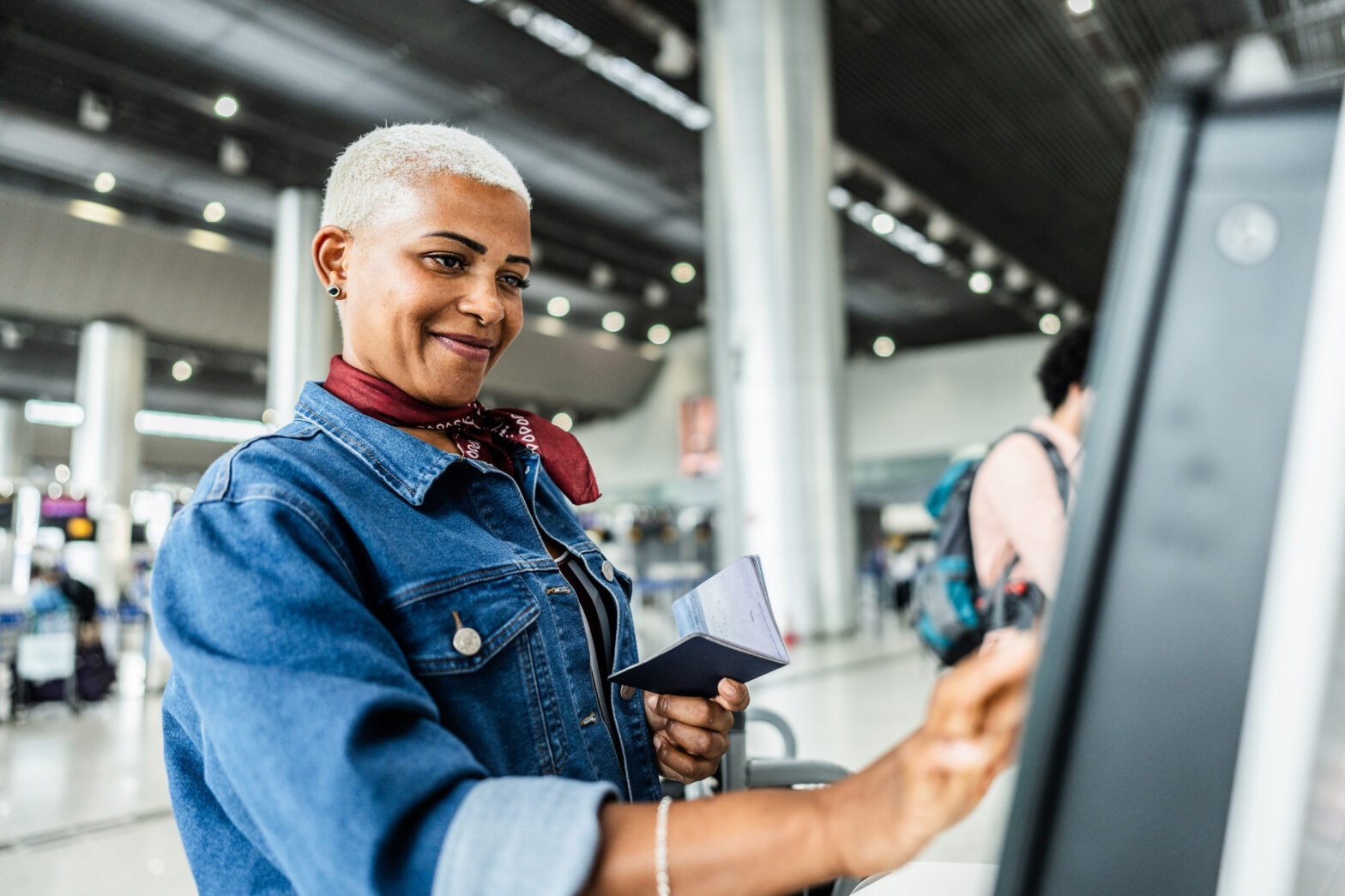
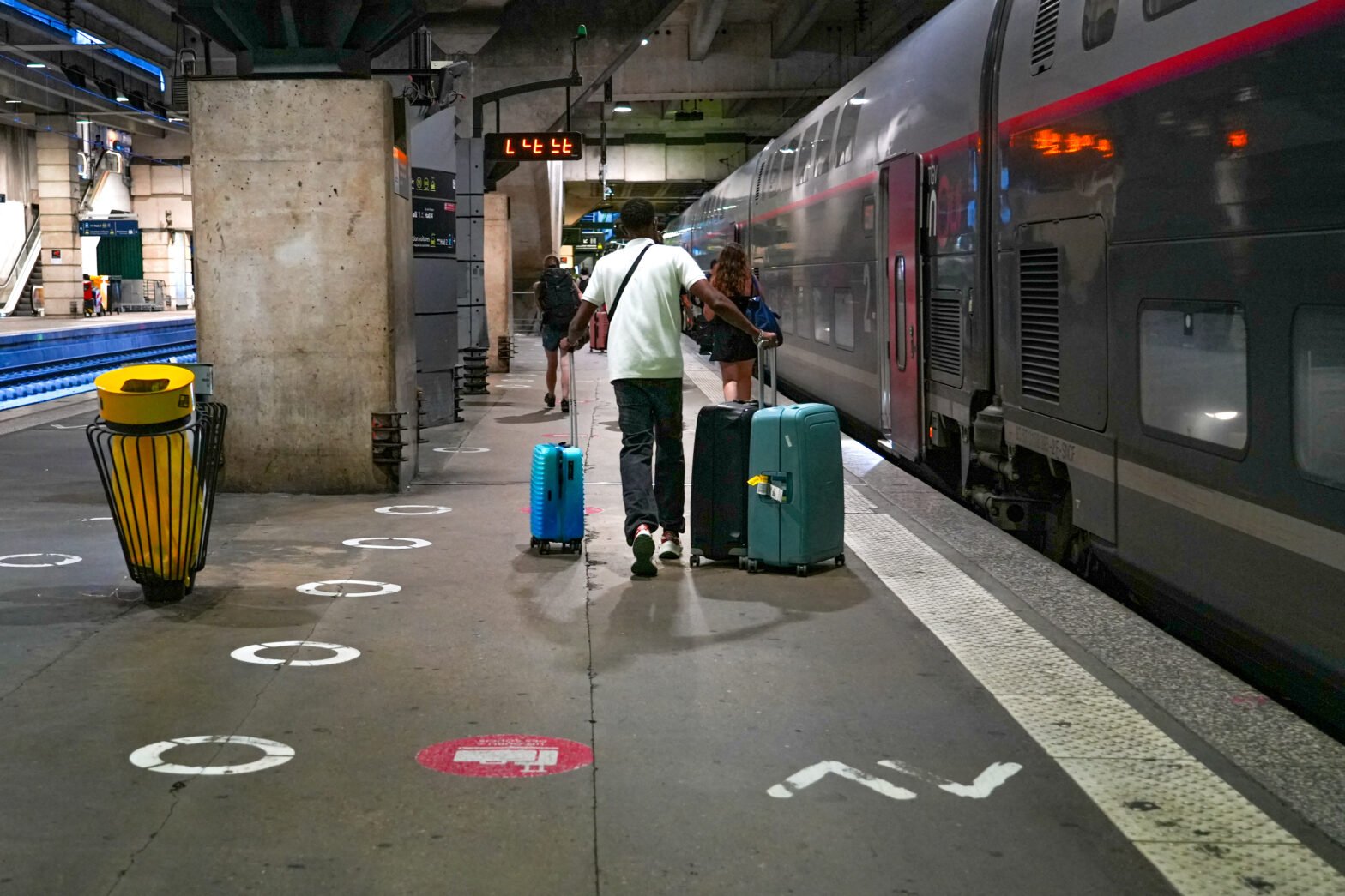
Relationship status — temporarily separated somewhere between security and gate B27.
Couples across social media are embracing the “airport divorce,” a travel-day arrangement in which partners clear security, head in different directions, and reunite before boarding. One person may settle into the lounge with a laptop and a drink, while the other circles duty-free, hunts for snacks, or parks at the gate with enough time to study every aircraft movement on the tarmac. The phrase sounds dramatic, yet the plan is remarkably domestic: give each other space during the part of a trip that exposes every difference in timing, hunger, anxiety, and tolerance for crowds.
A recent Faye explainer drew on an informal analysis of responses from its online community, where supporters pointed to mismatched travel styles and unequal access to expedited screening. The appeal becomes obvious when one partner wants to be planted at the gate before boarding begins, while the other is still ordering coffee as their group is called.
Why Airport Divorce May Actually Reduce Travel Stress
The psychology is less of a social media gimmick and more about stress regulation. In a Forbes analysis, psychologist Mark Travers argues that a brief separation can prevent one partner’s airport anxiety from spilling over into the other’s mood while giving both travelers the freedom to choose activities that calm them. Research on emotional contagion supports the idea that emotions can spread through expressions, behavior, and direct interaction, helping to explain how one tense glance at a security line can become a shared argument before breakfast.
Airports remove control as lines shift, gates change, and boarding times move, while couples often respond by managing each other. A temporary split restores some autonomy. The early arriver watches the departure board, the browser spends time in the shops, and the lounge loyalist enjoys some quiet.
Some Couples Gain Space While Others Need Support
Airport divorce suits experienced travelers who communicate well and understand each other’s habits. It can also solve practical mismatches when one partner has TSA PreCheck or Global Entry and the other moves at a different pace. Faye’s community responses found that some couples already use the strategy for those reasons, while others consider the airport wait part of the vacation and prefer to spend it together.
Parents managing children, first-time flyers, couples carrying shared medication or documents, and anyone needing mobility support may gain more from staying together. Even independent travelers need a firm reunion time, a confirmed gate, and reliable contact. The arrangement also exposes invisible labor when the same person still tracks boarding, carries the passports, and sends every location update. A successful airport divorce divides responsibility as well as physical space.
Airport Stress Can Carry An Extra Layer For Some Black Couples
For some Black couples, the airport divorce calculation includes more than mismatched routines. Security can entail added scrutiny, uncomfortable pat-downs, or the pressure to stay composed during an interaction that already feels charged. A 2022 Government Accountability Office review found that TSA had introduced procedures and training intended to prevent discrimination, yet still lacked sufficient referral data to determine whether certain groups were sent for additional screening more often.
TSA later introduced a new scanner algorithm at about 340 airports, and at selected locations, roughly half as many pat-downs were recorded as in 2022. That progress says little about who still receives them, and GAO’s recommendation that TSA assess whether screening practices comply with nondiscrimination policies remains open. ProPublica also reported in 2019 that scanners frequently flagged Afros, braids, and twists, sometimes leading to hair pat-downs.
For couples, that history can shape whether space feels calming or isolating. One partner may want quiet after screening, while the other may need company. Emotional labor can also fall unevenly when one person holds the documents, watches the gate, and helps the other recover. An airport divorce may still work, though staying together can sometimes offer the support the terminal rarely provides.