Travelers moving through major U.S. cities on January 30 – 31 should plan for possible disruptions linked to nationwide “ICE Out” protests and a call for a general strike that organizers describe as a “shutdown.” The actions follow outrage over fatal shootings involving federal immigration agents in Minneapolis, including the deaths of Renée Good and Alex Pretti; the incidents have fueled protests and walkouts in Minnesota and beyond, according to The Guardian.
Reuters reports that demonstrations are scheduled at 250 locations across 46 states, meaning travelers could encounter protests in multiple regions, including large cities and state capitals. While many demonstrations may be peaceful, gatherings near transportation chokepoints can still slow road access, delay transit, and complicate airport transfers, especially during peak arrival and departure windows.
Where Strikes Are Planned And Why Travelers Could Feel The Impact
Organizers are calling for people to refrain from work, school, and shopping as part of a national action on Friday, January 30, with additional protests expected on Saturday, January 31, according to The Guardian’s explainer on the planned demonstrations. Reuters describes the actions as including student walkouts and a broader protest push tied to the Minneapolis shootings and anger over immigration enforcement policy. Organizers expect Saturday actions in all 50 states and Washington, D.C., with the grassroots group 50501 involved.
For travelers, the concern is less about strike participation than the knock-on effects of demonstrations near downtown corridors, transit hubs, and airport routes. Activists have discussed targeting sites connected to immigration enforcement, including ICE detention centers and airports, along with other government-related locations.
Airports And Flights: What Could Cause Delays Even If Terminals Stay Open
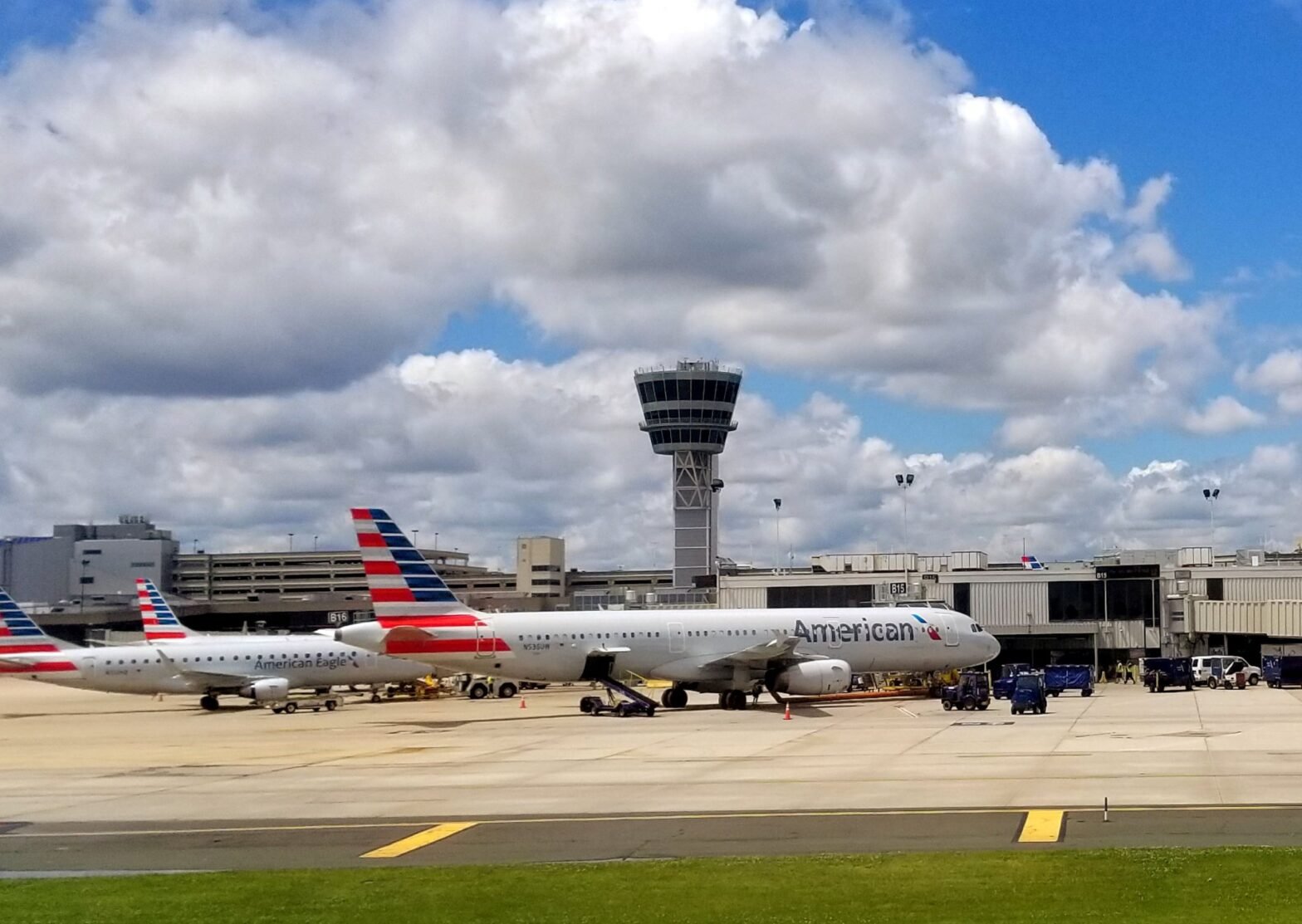
No reports indicate a nationwide airport closure. The more realistic risk for most travelers is ground-access disruption, especially if protests concentrate on highways, bridges, arterials, or transit lines that feed major airports. Airports are among places activists have pointed to for protest activity, which can translate into slower curbside drop-offs, longer rideshare ETAs, and detours around police-managed perimeters. Travelers should also account for the fact that delays can compound when other stressors are already present in the system.
In recent days, the Associated Press has reported widespread U.S. flight cancellations and delays tied to a major winter storm affecting large parts of the country, which can reduce the margin for error if surface transportation is also slowed in protest-heavy areas. If you’re flying January 30 or 31, track your flight status and build extra time into the most disruption-prone part of the trip: getting to the airport.
Transit And Downtown Access: What To Expect In City Centers And At Major Hubs
Protests are planned across hundreds of locations, raising the odds that demonstrations will intersect with commuter corridors in at least some metro areas. In practice, the biggest travel friction tends to show up as temporary road closures, march routes that block intersections, and service adjustments when crowds gather near major stations or government districts. News coverage describes the actions as intentionally disruptive, meaning travelers should expect last-mile unpredictability in downtown cores.
If you rely on public transit to reach an airport, a convention center, or a central train station, treat official service alerts as essential trip planning. Even when trains and subways continue running, entrances can be temporarily closed, bus routes can be diverted, and surface delays can cascade when streets are blocked. For travelers with tight connections, a small route change can turn into a missed check-in window.
Safety Considerations And Smart Planning For January 30 – 31 Strikes
There has been a climate of heightened tensions following the Minneapolis shootings, which have sparked protests in multiple U.S. cities. In Washington, D.C., dozens of demonstrators, including faith leaders, were arrested during an immigration policy protest, reflecting active law enforcement engagement at some demonstrations. For travelers, the safety goal is straightforward: avoid getting trapped in moving crowds or pinned behind police lines while trying to reach a terminal, hotel, or station.
The safest service guidance that does not rely on speculation is route-based. If you can, schedule airport transfers earlier than usual, favor routes with multiple alternates, and avoid driving directly through downtown civic corridors when a large demonstration is expected. If you find yourself near a gathering, move away calmly, follow posted instructions, and prioritize well-lit, high-traffic routes to your destination.
And if you are traveling into a city where protest turnout is uncertain, keep your day flexible: the difference between a smooth trip and a long delay is often whether you can shift a pickup point, take an alternate station, or adjust timing by an hour.