Minneapolis is seeing sustained demonstrations and heightened enforcement linked directly to U.S. Immigration and Customs Enforcement (ICE) activity and a broader federal immigration push that local officials say has intensified since late last year. The City of Minneapolis has reported a rapid expansion of federal operations, noting that thousands of Department of Homeland Security personnel, including ICE and Customs and Border Protection (CBP), have been deployed to the Twin Cities for raids, stops, and arrests. The situation escalated after two fatal shootings involving federal agents this month. City and state leaders have taken the unusual step of suing the Department of Homeland Security in federal court, alleging unconstitutional conduct tied to the surge.
For travelers visiting family, passing through on a connection, or returning home, the immediate concerns are real-time disruptions near protest sites, a heavier law enforcement footprint in some corridors, and knowing what civil liberties and legal aid groups say are your rights if you are stopped, questioned, or caught in a crowd-control response.
Minneapolis Protests Are Intensifying Amid ICE Enforcement And Fatal Shootings
The City of Minneapolis has directly linked the unrest to federal immigration enforcement and has published ongoing updates on its “federal response,” including a lawsuit filed by Minnesota Attorney General Keith Ellison, along with Minneapolis and Saint Paul, seeking to limit the scope and scale of the operation. Reuters has reported that the enforcement push has had a significant impact on the Twin Cities’ Somali community, one of the largest Somali populations in the United States, including fear, reports of aggressive tactics, and grassroots “Know Your Rights” outreach efforts in South Minneapolis.
The Associated Press has also detailed how federal agents used pepper spray on a crowd in a Somali neighborhood during enforcement activity. The news agency further reported claims by local officials that agents checked IDs at East African restaurants and at a senior housing complex.
Tensions intensified after two fatal shootings involving federal agents. Renée Nicole Good, a thirty-seven-year-old mother, was shot and killed on January 7 while in her car during an ICE operation, and her death became a flashpoint for protests and demands that ICE leave Minnesota.
Soon after, on January 24, Alex Pretti, a thirty-seven-year-old ICU nurse and U.S. citizen, was fatally shot in Minneapolis during a federal immigration enforcement operation. Preliminary reviews indicate that he did not brandish a firearm before the shooting, despite early statements suggesting otherwise. The protests have included high-visibility actions such as a demonstration at Minneapolis–Saint Paul International Airport, where Reuters reported police arrested dozens of clergy members who knelt in the roadway while calling for the withdrawal of federal agents.
How To Stay Safe While Traveling Through Minneapolis During Protests And Heightened Enforcement
Conditions can change quickly when demonstrations shift from rallies to marches, especially near downtown areas, major corridors, federal facilities, and transportation choke points. Travelers should rely on official alerts and transit updates for route planning rather than rumors or recycled clips.
The City of Minneapolis uses Smart911 to send emergency alerts and public safety notifications, and it provides sign-up instructions for visitors and residents. For driving, the Minnesota Department of Transportation’s Minnesota 511 map provides real-time information on closures, crashes, and road conditions statewide, which can be useful if you are detouring around protest activity or winter-related disruptions. Those using public transportation can check Metro Transit rider alerts for reroutes and service impacts when streets are blocked or access changes near demonstration areas.
If you are not participating in protests, the core safety advice from public agencies and legal observers is to keep a distance from active crowd-control zones and leave early if a gathering becomes tense or heavily policed. The risk to bystanders rises when police issue dispersal orders, deploy chemical irritants, or use less-lethal munitions, because those measures can spread beyond the immediate crowd. Protest activity has at times prompted a strong enforcement response, and Reuters highlighted recent changes in ICE’s posture and operational guidance in Minnesota, indicating the situation remains fluid.
When moving around the city, avoid driving into dense crowds, do not attempt to cross police lines or barricades, and reroute as soon as you see traffic being diverted. If you encounter pepper spray or other irritants, leave the immediate area, move upwind when possible, and seek medical care if breathing or eye symptoms are severe or persistent, especially for children, older adults, or people with asthma.
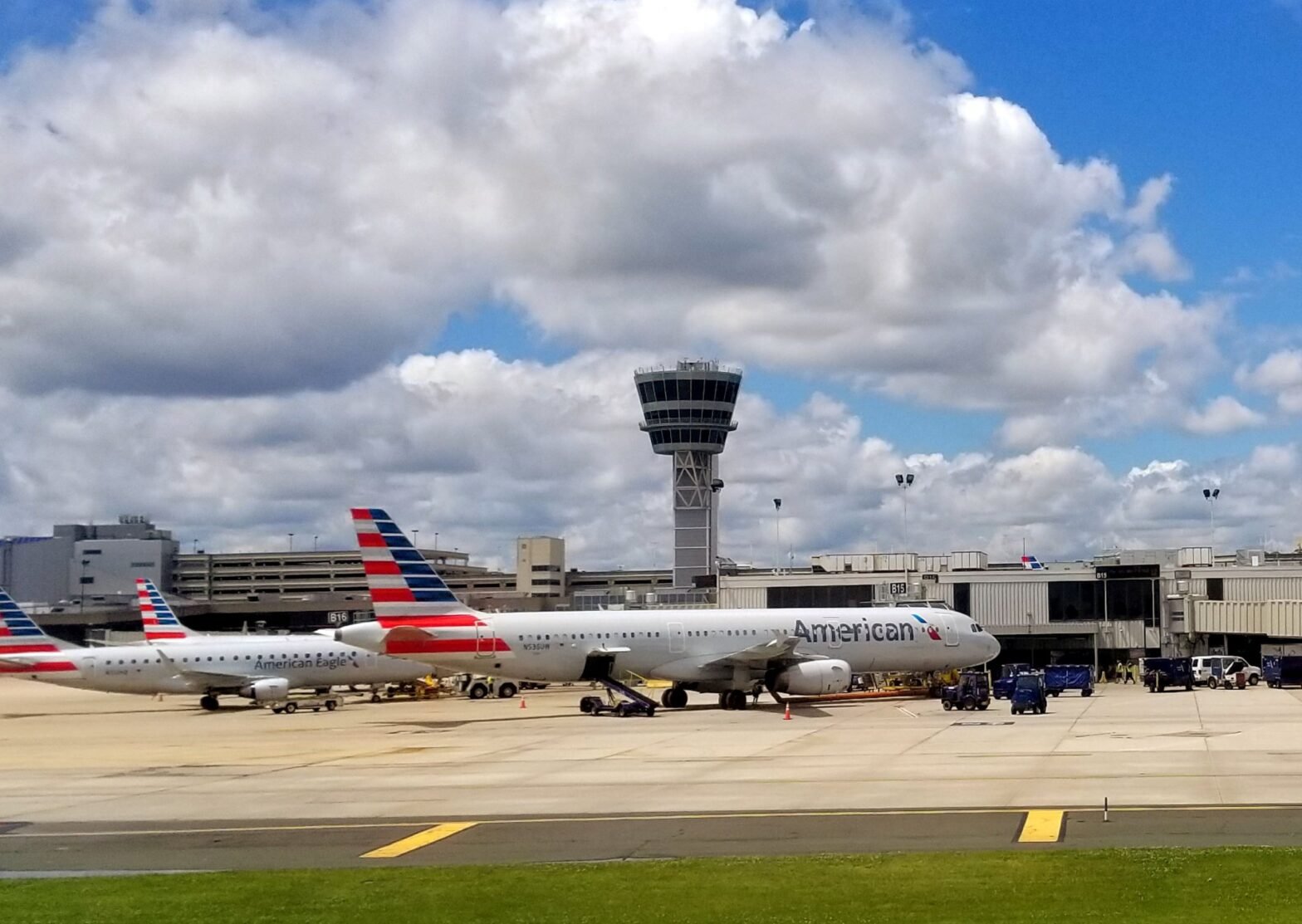
Air travelers should allow extra time for airport trips and consider alternative routes if demonstrations are reported on access roads. Reuters has documented airport-area protest activity and arrests tied to anti-ICE demonstrations, which can cause localized traffic disruptions even when flights continue operating.
Know Your Rights If Stopped By Police Or ICE, And How To Help From Afar
Legal rights guidance is not a substitute for legal advice, but it can help travelers and locals reduce risk in law enforcement encounters. The ACLU of Minnesota’s protest rights materials emphasize staying calm, asking whether you are free to leave, and using the right to remain silent when questioned about activities or associations. Those materials also advise that you can refuse consent to searches of your person or belongings, even if officers proceed anyway, and that documenting officer names, badge numbers, and witness contact information can matter if you later file a complaint.
If your concern is an ICE encounter rather than a protest, the City of Minneapolis maintains a “Know Your Rights and Resources” page that compiles ICE fact sheets, what to do if you are stopped, what to do if a friend or family member is detained, and how to find where someone is being held. National guidance from the ACLU’s immigrants’ rights materials states that you generally do not have to open your door unless agents show a judicial warrant, and you have the right to remain silent regardless of status. Furthermore, the National Immigrant Justice Center provides a widely used “Know Your Rights” guide for ICE encounters, including what to do during street stops and at home.
If someone is arrested during a protest or disappears after an encounter, the Hennepin County Sheriff’s jail roster provides a searchable public record of people who may be in custody or have been recently released. For those who are not on the ground but want to help through credible organizations, support channels include the ACLU of Minnesota’s giving page and the Immigrant Law Center of Minnesota’s donation portal for immigration legal services.