Safety in Barbados varies by location, time of day, and activity. The island is generally safe, and the U.S. State Department currently places it at Level 1, its lowest advisory level. Barbados therefore sits in the first tier of the department’s four-level system, where the guidance is to exercise normal precautions.
The rating gives visitors a reassuring basis for planning and a broad view of conditions across the country. Most trips are straightforward, and travelers can move through the island with confidence while keeping their regular safety habits in place. Anyone preparing a visit should treat the rating as a starting point and check the guidance that applies to specific locations and activities.
Is Barbados Safe? Understanding Crime Beyond The Resort Gates
Most crimes involving foreign visitors are opportunistic, according to the State Department, with purse snatching, pickpocketing, burglary, and vehicle break-ins among the principal concerns. Violent incidents, including armed robbery, sexual assault, shootings, and carjackings, also occur. Full-year figures present a more complicated picture. Overall crime fell 4% from 6,301 reported offenses in 2024 to 6,063 in 2025, while major crimes against the person increased 41% and firearm-related crimes rose 60%, according to data presented by Barbados’ Criminal Justice Research and Planning Unit.
Barbados recorded 50 murders in 2025, producing a murder rate of 17.7 per 100,000 people, virtually unchanged from 2024, per InSight Crime’s regional homicide review. Those countrywide figures differ from a visitor-specific crime rate, yet they support sensible caution beyond the resort gate. The south and west coasts contain many of the island’s busiest visitor hubs, including St. Lawrence Gap, Hastings, Holetown, and Speightstown. Their hotels, restaurants, taxis, and evening activity make them easy places to stay and explore, with the usual precautions around valuables and late-night transportation.
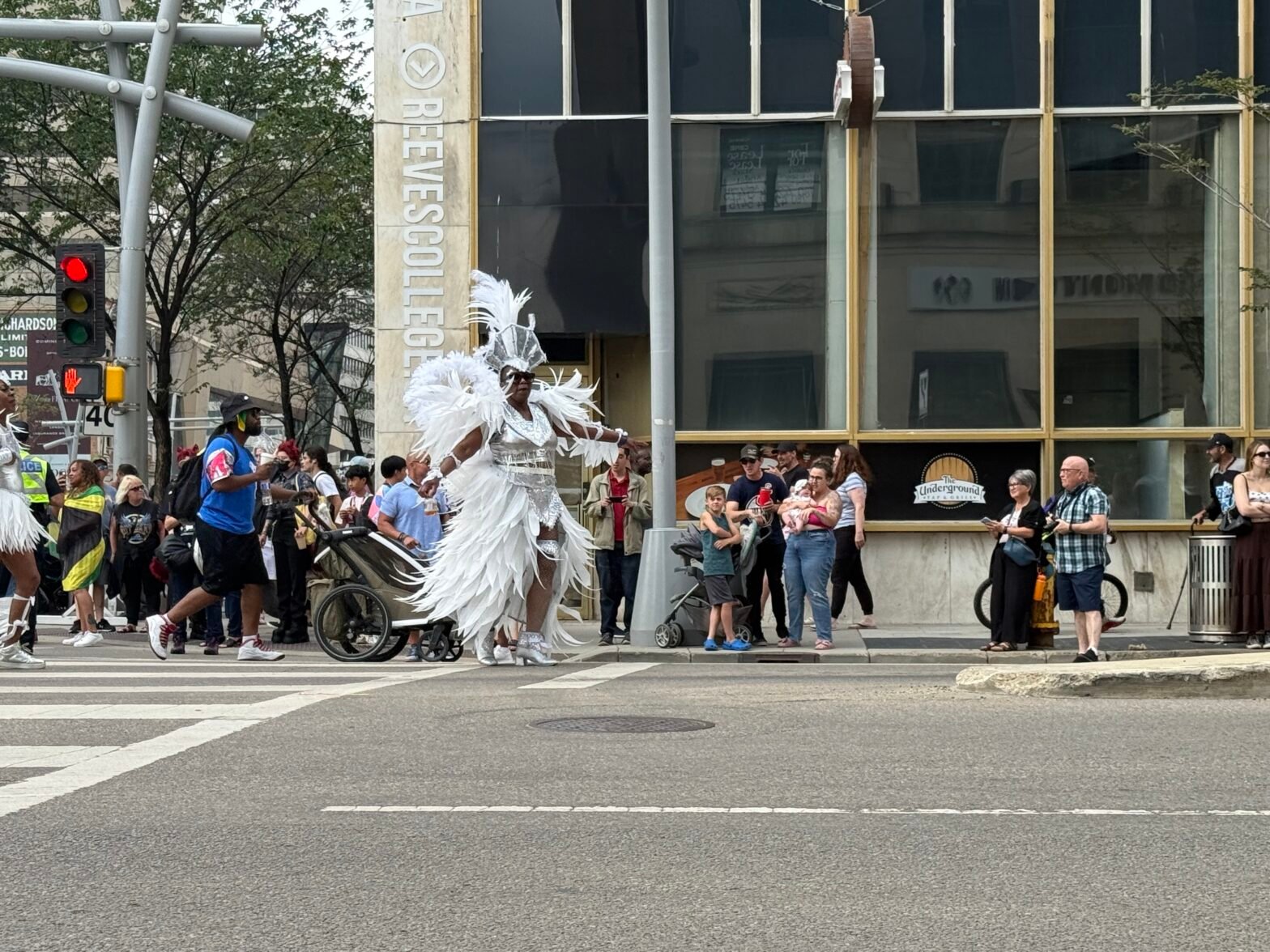
Keep phones and wallets close in crowded bars, Bridgetown streets, markets, festivals, and the Oistins Fish Fry. Choose well-lit routes after dark and arrange a registered taxi for late returns. The State Department calls for extra vigilance downtown and on nighttime party cruises, while UK government guidance highlights isolated beaches, ATMs, large gatherings, and festival events.
Barbados Beach Safety Depends On Which Coast You Choose
The Caribbean-facing west coast generally delivers the calmest-looking water, while the south coast mixes swimming beaches with windier stretches. The Atlantic-facing east coast presents stronger surf, particularly around Bathsheba, where the Soup Bowl draws experienced surfers. Current swimming guidance for Barbados warns that deceptively strong currents can occur even at popular south- and west-coast beaches, while warning flags and lifeguard coverage vary.
Favor an active beach with lifeguard facilities and ask about conditions before entering. Brownes Beach, Accra, Miami Beach, Brandon’s Beach, and Folkestone Marine Park are among the popular options with lifeguards and visitor facilities. Strong currents make many east-coast beaches better suited to shoreline walks and surf watching. Keep swimming separate from rum punch, watch for jet skis and tour boats near shore, and use established operators for snorkeling, diving, and catamaran trips.
Smart Safety Tips For Getting Around Barbados
Registered taxis are generally safe, with fares agreed in Barbados dollars before departure since taxis use set prices instead of meters. Drivers use the left side of the road, and rental-car users need a temporary Barbados permit alongside a valid license. Main roads are generally well marked, while secondary roads bring narrow lanes, potholes, blind curves, and limited lighting, making daylight preferable for a first drive. Large public buses receive a generally safe assessment from the State Department. On the other hand, fast, crowded private minibuses require closer judgment.
Use a hotel safe for passports, spare cards, and excess cash, then carry the day’s essentials. Secure villa doors and windows, keep bags within reach at the beach, and save 211 for police and 511 for ambulance service. Travel insurance should cover medical care and evacuation, especially for diving or sailing. Hurricane season runs from June through November, so check the National Hurricane Center and follow local instructions.
Barbados continues to draw travelers with Historic Bridgetown and its Garrison, a UNESCO World Heritage Site, road trips between rum distilleries and east-coast surf, and dinners that can move from a fish cutter to a white-tablecloth restaurant in one day. Tourism reached a record 729,310 long-stay arrivals in 2025, with U.S. arrivals growing 8.1%. Visitors can explore widely, choose company and transportation carefully after dark, keep valuables close in busy areas, and follow local advice before entering the water.