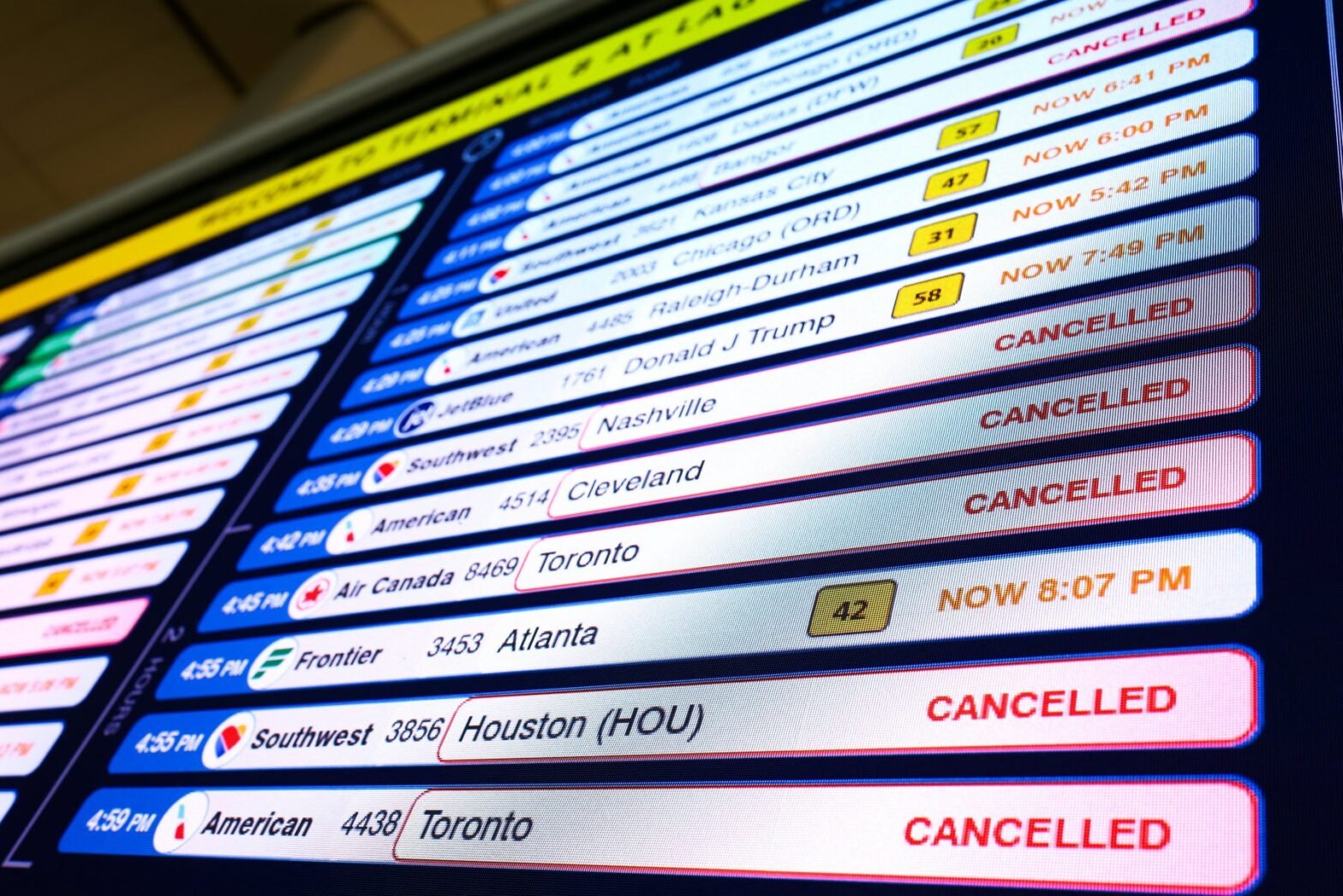
As the United States carries out combat operations against Iran, travel safety guidance for Americans has taken on a more urgent tone.
A recent USA TODAY report said former U.S. intelligence officers were urging travelers to think more carefully about awareness, movement, and contingency planning as instability spread across the region. That advice came as the U.S. State Department issued a Worldwide Caution, warning that following the launch of U.S. combat operations in Iran, Americans worldwide, especially those in the Middle East, should follow the latest security alerts from the nearest U.S. embassy or consulate.
The department also published a separate Middle East notice telling Americans in the region to monitor official guidance and seek help with travel options to return home safely.
Reuters reported that Washington also urged U.S. citizens to leave more than a dozen Middle Eastern countries by available commercial transportation due to the security environment. Together, those developments pushed travel advice beyond routine precautions and into a more immediate conversation about personal safety, logistics, and preparedness for travelers already abroad or planning to move through affected regions.
Former CIA Officers Urge Travelers To Stay Alert And Prepare Before Travel
According to the USA Today report, former CIA officer Jason Hanson emphasized that situational awareness can make a critical difference in public spaces, especially during periods of uncertainty.
“I spotted the kidnappers. I looked up. They didn’t blend in,” the former U.S. intelligence officer told USA TODAY. “I was maybe 25 yards away when I figured out what was going on because my head was up.” His advice centered on a simple but important point: travelers are less likely to recognize danger when they move through airports, hotels, and city streets, distracted or unaware of what is happening around them.
The article also pointed to former CIA officer Doug Patteson’s view that travel safety begins well before departure. While Hanson encourages travelers to research “anything and everything” about a destination before deciding to go, Patteson advised signing up for the Smart Traveler Enrollment Program (STEP) and identifying the nearest embassy, hospital, and police station before arrival.
Taken together, their recommendations framed travel security as a matter of preparation as much as reaction. At a moment when conditions in the Middle East can shift quickly, their advice suggests that travelers should not only stay alert on the ground, but also build a clear plan before leaving home.
State Department Warnings Reflect A More Volatile Travel Environment
The broader travel picture is growing more unstable as the fallout from U.S. combat operations in Iran spreads across the region. In its latest Middle East notice, the State Department told Americans to follow guidance from the nearest U.S. embassy or consulate and contact its task force for help with travel options to return home safely. The notice also says Americans in Bahrain, Israel, Kuwait, Oman, Qatar, Saudi Arabia, and the United Arab Emirates can request information on U.S. government-facilitated departure options.
Reuters also reported that the U.S. urged its citizens to leave more than a dozen Middle Eastern countries, using available commercial transportation, as the security environment deteriorated. In that setting, the advice from former intelligence officers carries greater weight: travelers should stay aware, know where to get help, and be prepared to move quickly if conditions change.